United Airlines Suit Dismissed in Texas for Jurisdiction
A Texas federal court dismissed a passenger’s injury suit without prejudice, finding the alleged in-flight incident did not arise from United’s Texas contacts.
Published on
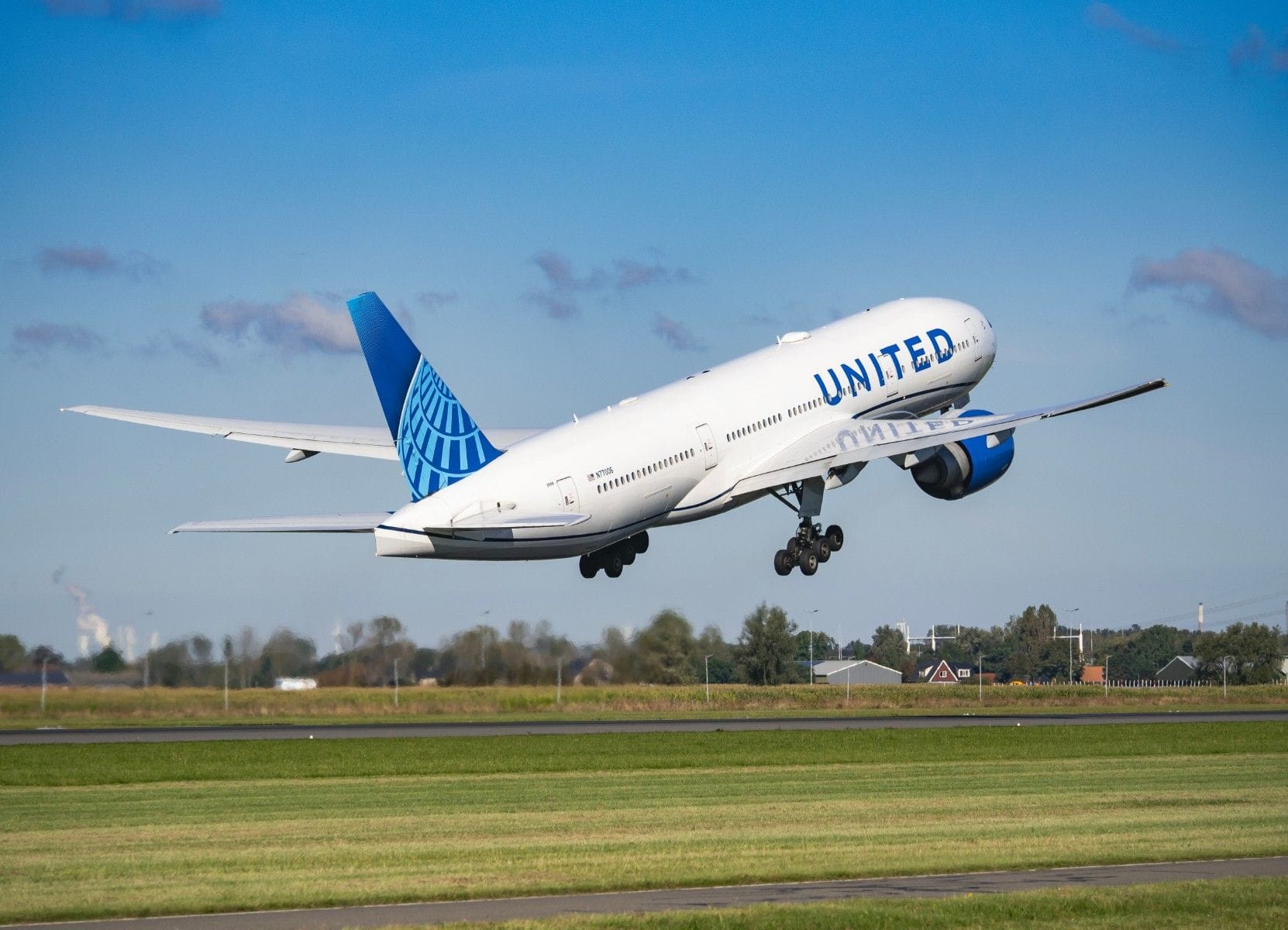
United Airlines recently obtained dismissal of a passenger’s personal injury lawsuit in federal court in Texas after the court concluded it lacked authority to hear the dispute. The suit arose from an alleged in-flight incident on an international itinerary in which the passenger claimed the aircraft dropped roughly 1,000 feet and occupants and luggage were thrown about the cabin. Although the plaintiff asserted multiple ties to Texas, including purchasing the ticket there and maintaining Texas as his home, the court focused on where the alleged injury occurred and whether the claims sufficiently related to the airline’s forum contacts to support specific personal jurisdiction.
Jurisdiction Turns on Where the Claims Arose
The U.S. District Court for the Northern District of Texas dismissed the action without prejudice after determining that due process requirements for exercising specific personal jurisdiction were not met. According to the court, the record did not establish that the plaintiff’s claims arose out of or related to United Airlines’ contacts with Texas. Judge Ed Kinkeade emphasized that the alleged injury occurred outside Texas and that, on the facts presented, the flight at issue never entered Texas airspace.
The plaintiff argued that Texas connections should be sufficient because he purchased the round-trip ticket while in Dallas, departed from Texas, and was attempting to return to Texas at the time of the incident. The court rejected that framing as inadequate to create the necessary link between the forum and the operative events underlying the claims. As stated in the order, “plaintiff’s claims do not arise out of or relate to defendant’s contacts with the forum and, so, the due process requirements are not satisfied,” leading the court to conclude it could not exercise specific personal jurisdiction over the airline.
Alleged In-Flight Drop and Emergency Return to Lagos
The complaint described an international return itinerary from Lagos, Nigeria, to the United States with a planned connection through Dulles International Airport in Virginia. The incident was alleged to have occurred on Jan. 24, 2025, during the return leg, when the flight experienced serious mechanical issues while en route. The plaintiff alleged the aircraft “abruptly dropped approximately 1,000 feet,” followed by smaller drops as it attempted to regain altitude, resulting in passengers, crew, and luggage being thrown throughout the cabin.
The plaintiff contended that these events caused his injuries and damages. The complaint further alleged that once the aircraft was brought under control, the pilot turned back and made an emergency landing in Lagos. Those allegations placed the key conduct and injury sequence on a flight path from Nigeria toward Virginia, not within Texas. That geographic framing became central to the court’s analysis, with the order treating the location of the alleged injury and the route of the flight as dispositive to the forum’s power to adjudicate the matter.
Procedural Outcome and Practical Implications
The dismissal was entered without prejudice, leaving open the possibility that the plaintiff could refile in a jurisdiction able to exercise personal jurisdiction consistent with constitutional limits. The ruling reflects the recurring threshold issue in aviation injury litigation: even when a plaintiff can identify substantial connections to a chosen forum—such as residence, ticket purchase location, or the intended destination—courts may still require a tight nexus between the forum and the specific events giving rise to the claim.
United Airlines was represented by Blank Rome LLP, according to court filings. The decision underscores that forum selection in international flight injury cases may depend less on where travel originated or ended and more on where the operative incident occurred and how that incident relates to the defendant’s forum contacts. More broadly, the order signals that plaintiffs alleging injuries on international routes may need to evaluate alternative venues early, particularly when the alleged harm occurs outside U.S. airspace.