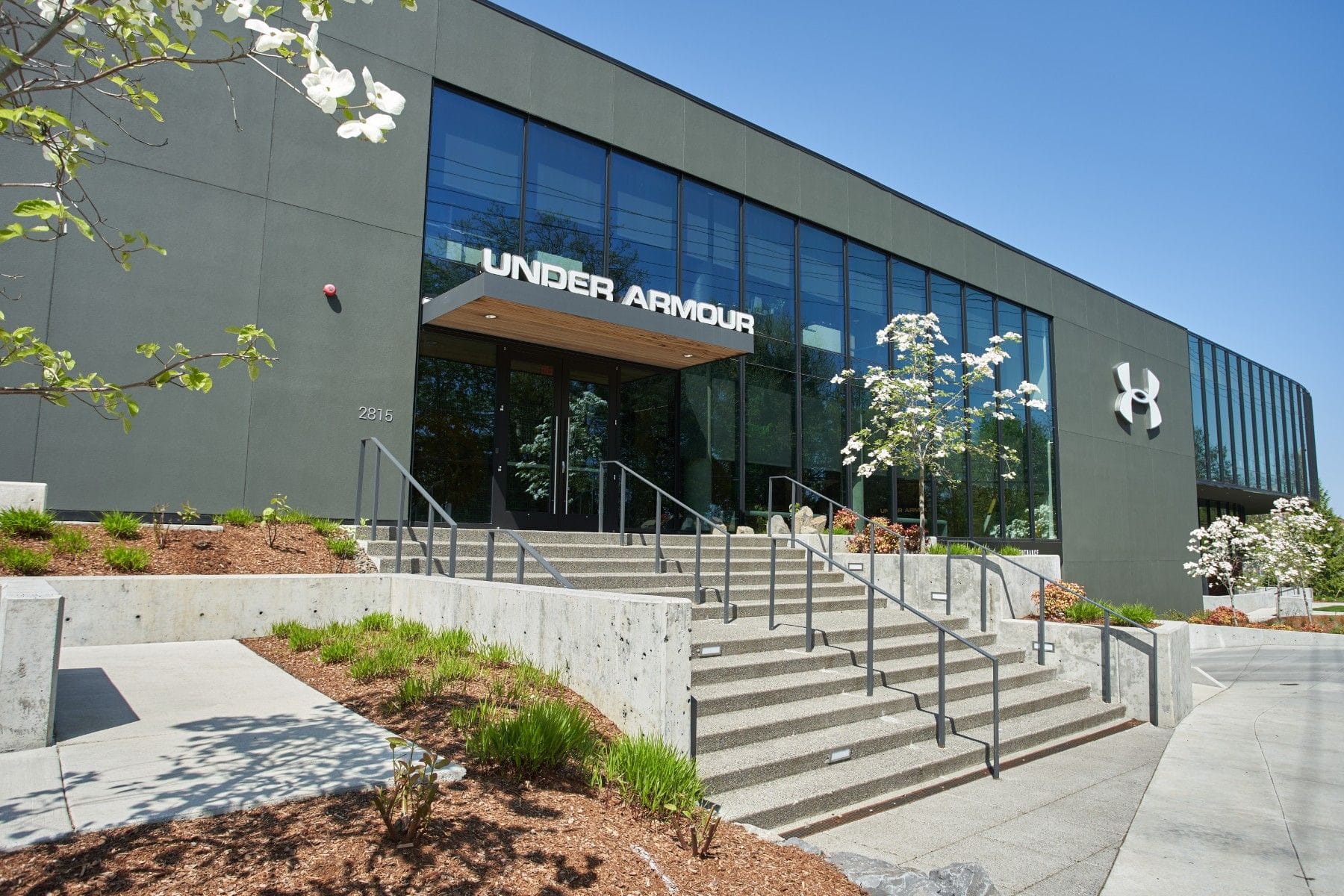
Under Armour largely prevailed in a Pennsylvania federal lawsuit brought by a former bioceramic-powder partner that accused the company of falsely marketing recovery-focused apparel as “FDA-approved” and steering business away from the plaintiff. In a decision issued by U.S. District Judge Nicholas Ranjan, the court dismissed most federal and state unfair competition theories, finding the pleadings and record did not show a legally sufficient causal link between the challenged marketing statements and the plaintiff’s alleged financial losses. The ruling, however, preserved a narrower pathway to trial: claims that Under Armour interfered with the plaintiff’s ability to pursue relationships with Tom Brady’s TB12 business or certain textile manufacturing partners after the parties’ commercial relationship ended.
Partnership Breakdown and the Disputed Bioceramic Claims
The dispute centers on bioceramic powders used in textiles and marketed as supporting sleep and muscle recovery. According to the court’s description, Multiple Energy Technologies LLC (MET) supplied a powder branded as “Redwave,” which was incorporated into apparel developed in partnership with Under Armour. That relationship later ended, after which Under Armour entered a new partnership with Hologenix, a company associated with a competing bioceramic material called Celliant.
MET contended that following the termination, Under Armour promoted Celliant-based products through statements to business partners, on its website, and in the media, including claims that the products were “FDA-approved.” MET alleged the messaging impaired its ability to sell its own bioceramic material into the market and reduced expected revenues, including royalties and customer demand. Under Armour disputed liability and sought dismissal or summary judgment on multiple legal theories, arguing that MET’s alleged losses were too attenuated from the challenged statements and that the case was, in substance, a business-interference dispute rather than a false advertising or antitrust action.
Lanham Act and Unfair Competition Claims Narrowed on Standing and Causation
Judge Ranjan dismissed MET’s Lanham Act false advertising claim on standing and proximate causation grounds. While the court recognized that MET, as a supplier in the bioceramic ecosystem, had interests that could fall within the Lanham Act’s “zone of interests,” it concluded that the record did not establish that MET’s injuries were proximately caused by a Lanham Act violation. In practical terms, the court found no “obvious link” between the allegedly misleading FDA-related marketing and MET’s claimed losses, a requirement under governing causation principles for competitor or commercial-actor suits.
The court’s analysis also undercut related state-law unfair competition theories that depended on the same core premise: that Under Armour’s marketing statements directly diverted business from MET. Where the asserted injury flows through multiple commercial relationships—supplier to manufacturer to brand to consumer—the plaintiff must still show a sufficiently direct causal chain. Here, the court determined MET’s evidence did not bridge the gap between allegedly false statements and identifiable, non-speculative economic harm attributable to those statements, warranting dismissal of the false advertising and unfair competition counts.
Sherman Act Theories Rejected, While Interference Claims Proceed
MET’s antitrust claims under the Sherman Act fared no better. The court concluded MET did not plausibly demonstrate an antitrust injury or standing. A key feature of the ruling was the competitive relationship: the court emphasized that MET did not directly compete with Under Armour in a way that would ordinarily support a theory of exclusionary conduct harming competition in a defined market. The court noted MET’s clothing sales were isolated and that MET did not establish a coherent mechanism by which Under Armour’s conduct would lead to a marketwide reduction in competition, such as customers switching from Under Armour to MET if prices rose.
At the same time, the court preserved tortious interference claims based on alleged conduct aimed at MET’s prospective business relationships. Judge Ranjan characterized the surviving portion as “at most, this is a tortious interference case,” reflecting a shift from public-facing marketing theories toward evidence about communications with industry counterparties. Under Armour is represented by Kevin P. Allen and Michael P. Pest of Duane Morris LLP. The decision leaves the parties positioned to litigate whether Under Armour improperly influenced MET’s potential partnerships, including those connected to TB12 and other textile-related counterparties.
What the Ruling Means for the Remaining Claims and Next Steps
The decision narrows the case to whether Under Armour’s post-termination conduct crossed the line from aggressive competition into actionable interference with MET’s contractual or prospective relations. The court identified evidence sufficient to allow a jury to assess whether Under Armour steered third parties away from MET—highlighting allegations involving American Textile and an eventual exclusive license for Hologenix’s product. The ruling indicates that, while broad theories premised on generalized marketplace harm were not supported, concrete evidence of directed influence over specific commercial relationships may be enough to proceed.
Going forward, the surviving interference claims will likely turn on the content, context, and business justification for Under Armour’s communications with manufacturers and partners, as well as causation and damages tied to particular lost opportunities. As framed by the court, the dispute will focus less on consumer-facing representations about regulatory status and more on whether Under Armour’s actions improperly disrupted MET’s ability to pursue identifiable collaborations in the bioceramic textile space—issues that often feature prominently in commercial litigation disputes and can involve specialized marketing expert witnesses. The case is pending in the U.S. District Court for the Western District of Pennsylvania as Multiple Energy Technologies LLC v. Under Armour Inc., No. 2:20-cv-00664.