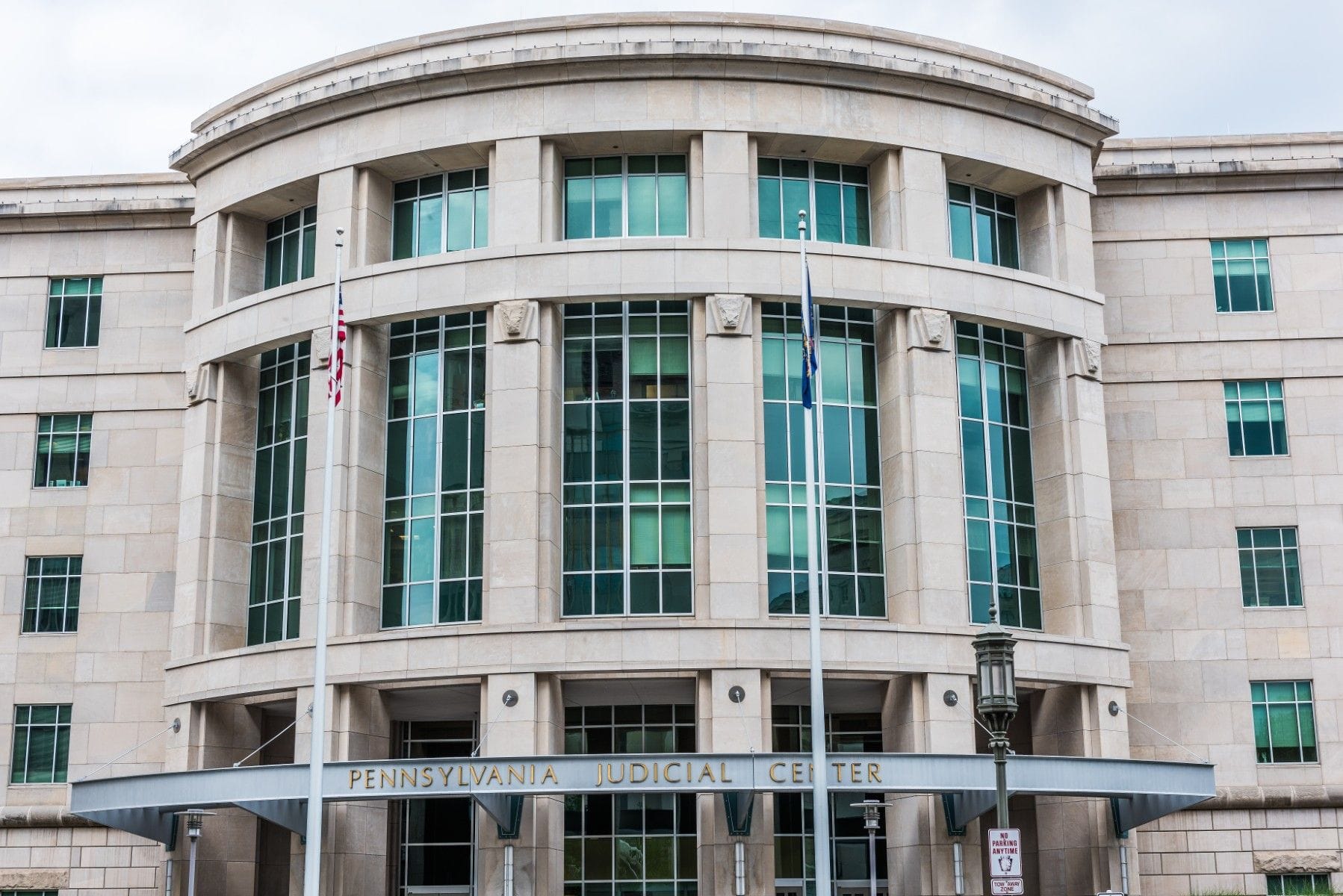
A Pennsylvania Superior Court panel affirmed an approximately $18.5 million medical malpractice verdict for Diane Melendez, a former University of Pennsylvania Health System employee who became an incomplete paraplegic after years of allegedly unaddressed neurological warning signs by her primary care physician. In a non-precedential memorandum opinion filed September 11, 2026, the court rejected five appellate issues raised by Dr. Gyi P. Mo and Clinical Care Associates of the University of Pennsylvania Health System, concluding that most arguments were waived because trial counsel did not preserve them through timely objections, mistrial motions, or properly developed post-trial filings. The panel further determined that, even if preserved, the asserted errors would not have warranted relief.
Alleged Delayed Diagnosis and Clinical Course
Court-record summaries describe Melendez as a longtime patient of Dr. Mo, who began serving as her primary care physician in 2011. In 2012, she reported back pain, and the clinical notes reflected abnormal reflex readings that the opinion characterized as indicative of a serious neurological condition. The appellate memorandum recounts that Mo later testified the abnormal entries resulted from data-entry mistakes or a software glitch and maintained that Melendez’s reflexes were normal. Based on the trial record as described by the panel, Mo did not order additional testing or refer Melendez to a neurologist at that time.
The opinion recounts that Melendez’s symptoms progressed for years. In 2016, she was referred to a podiatrist, who then referred her to a neurologist. She ultimately received a diagnosis of a spinal dural arteriovenous condition, which the memorandum notes is treatable if detected early. By the time of diagnosis, the panel said, the condition was no longer caught early enough to avoid severe consequences. The appellate court’s description of the record states that Melendez underwent surgery and was left an incomplete paraplegic, unable to walk without a walker and dependent on others for most activities of daily living.
Trial Verdict and Damages Award
The case was tried in the Philadelphia County Court of Common Pleas. The jury found for Melendez against Mo, while also finding Melendez 6% contributorily negligent. A co-defendant podiatrist was found not liable. After the comparative-fault reduction, the verdict totaled approximately $18.49 million, according to the Superior Court’s accounting of the award. The damages included $799,000 for past and future non-economic loss, more than $9.3 million for future economic loss, over $1.1 million for past and future lost earnings, and more than $7.2 million for future medical expenses.
On appeal, Mo and Clinical Care Associates challenged the judgment through five categories of claimed error. They argued the trial court should have entered judgment notwithstanding the verdict, and they sought a new trial based on conduct the trial judge had characterized on the record as deplorable. The defense also targeted a mid-trial cautionary instruction given after witnesses referenced documents that had been excluded due to a discovery violation. Additional issues included an argument that the verdict was against the weight of the evidence and a request to reduce the award as excessive.
Superior Court’s Waiver Findings and Merits Review
The Superior Court rejected each issue presented and emphasized waiver as a central basis for affirmance. The panel concluded that most claims were forfeited because trial counsel did not preserve them through timely objections, prompt mistrial motions, or adequately briefed post-trial motions. It also expressed dissatisfaction with the defendants’ appellate submissions, stating that the brief and reproduced record did not comply with multiple appellate procedural rules. Among other deficiencies, the panel noted the omission of the post-trial motions and supporting brief that the trial court had relied upon in making waiver findings, and the failure to identify where in a record spanning thirty-two transcript volumes the contested issues were preserved.
Although waiver drove much of the decision, the panel also addressed the merits. On sufficiency, the court concluded that Melendez’s internal medicine expert testified with the reasonable degree of medical certainty required under Pennsylvania law, even without using that exact phrase. The panel further determined that the defendants preserved only a narrow portion of their sufficiency challenge because they did not contest, before or during trial, the sufficiency of a second expert’s causation testimony. The court also rejected the defense’s attack on the cautionary instruction tied to excluded, late-disclosed documents, finding it was not equivalent to a spoliation sanction and that the defense did not establish resulting prejudice.
Concurrence Criticizes Trial Conduct While Affirming Result
President Judge Lazarus, joined by Judge McLaughlin, filed a concurring memorandum agreeing that the judgment should be affirmed while separately addressing plaintiff’s trial counsel’s conduct. The concurrence stated that repeated references at trial to Melendez’s termination from her hospital job, if properly met with timely objections and a mistrial request, would have supplied grounds for a new trial. Lazarus endorsed the trial judge’s assessment that counsel sought to inflame the jury, and the concurrence cataloged multiple instances in which the trial court admonished plaintiff’s counsel for theatrics, argumentative questioning, and disregarding directives during the three-week trial.
Despite the sharp critique, the concurrence agreed that the procedural posture controlled the outcome. The concurring memorandum explained that, given the defense’s failure to preserve key objections and seek timely relief, the challenged conduct did not entitle the defendants to a new trial on appeal. In addition, the panel rejected the defense’s weight-of-the-evidence and remittitur arguments as waived for inadequate briefing and unpersuasive in light of Melendez’s catastrophic and permanent injuries as described in the opinion. The Superior Court affirmed the judgment, leaving the reduced verdict of approximately $18.49 million intact.