A Los Angeles Superior Court jury’s $52.1 million verdict in Perrigo v. multiple trucking defendants underscores the expanding practical reach of vicarious liability in California motor-carrier operations. The case arose from an August 2021 motorcycle-truck collision in Santa Clarita and turned on how responsibility can attach across a subcontracting chain when freight is moved by an owner-operator or independent contractor. Although the dispute did not involve a freight broker, it highlights a recurring litigation question for transportation stakeholders: how far liability can extend up or down the supply chain when carriers outsource performance while maintaining a regulatory and public-safety duty.
Collision Facts and the Subcontracting Chain
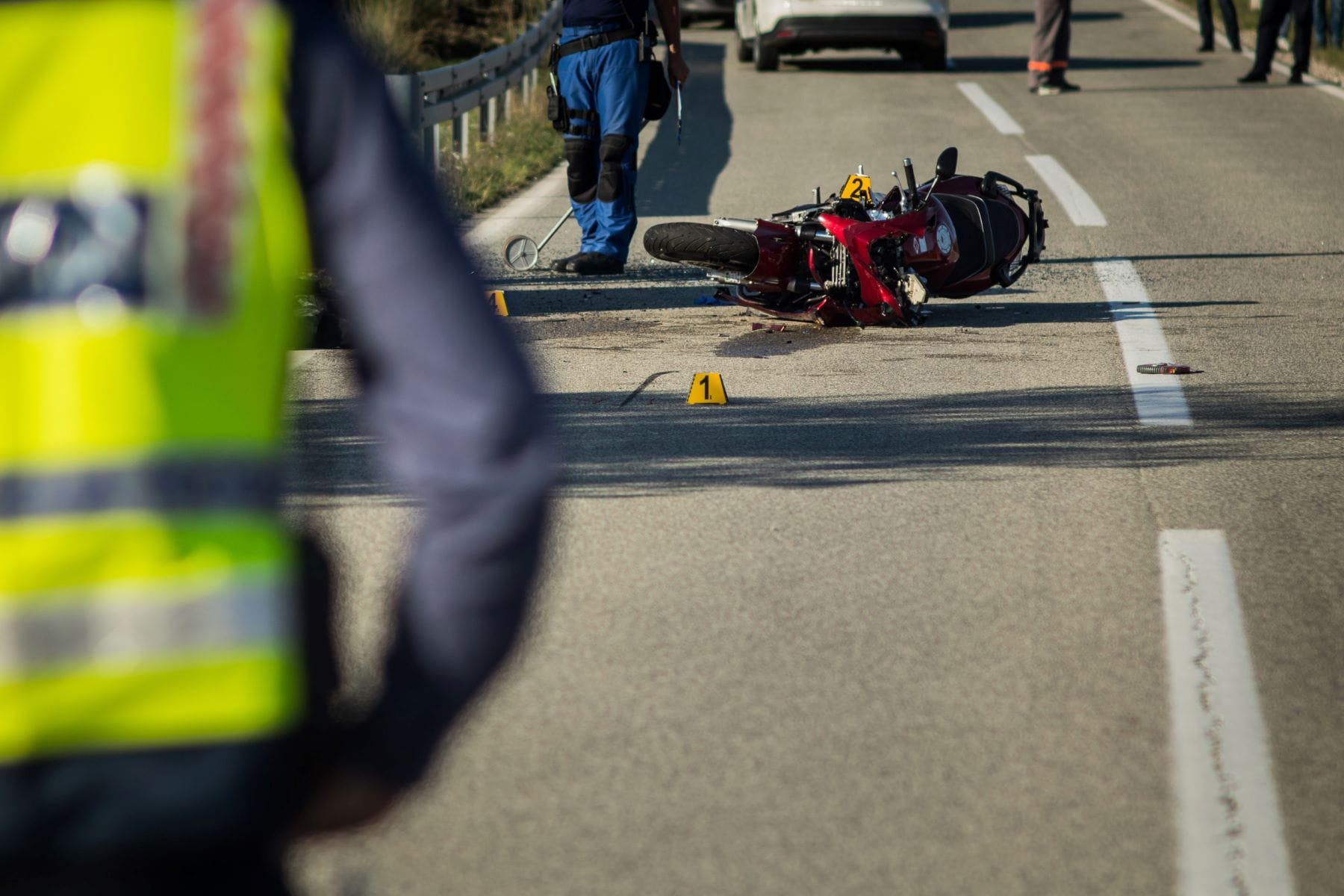
Chad Perrigo was riding a motorcycle when he collided with a truck driven by Jorge Castaneda Rodriguez, who was operating equipment owned by Montecristo Trucking. The load originated under a U.S. Postal Service hauling contract, with performance ultimately passed through multiple entities before the trip involved in the crash. According to court filings summarized by the parties, the contract was held by Thunder Ridge Transport, subcontracted in full to Fames Transport, and then further subcontracted in part to Montecristo Trucking, for whom Rodriguez was driving at the time of impact.
The plaintiffs’ theory emphasized that the layered subcontracting did not eliminate downstream operational duties associated with safe transportation. The collision reportedly occurred at highway speed, and the plaintiffs contended that the driving circumstances reflected rule violations relevant to both fault and employment characterization. With multiple carriers in the chain, the litigation posture centered less on a single corporate defendant’s direct negligence and more on whether the legal structure of the relationships permitted the contracting carrier(s) to avoid responsibility for the conduct of the driver performing the work.
Vicarious Liability Framework Applied by the Trial Court
The verdict was entered under a vicarious responsibility theory. In jury instructions, Judge Michele Flurer defined vicarious responsibility as a circumstance where “an employer is responsible for harm caused by the wrongful conduct of its employees while acting within the scope of their employment.” The instruction set directed jurors to evaluate whether a carrier in the chain functioned as an employer despite contractual labels suggesting an independent-contractor relationship.
As framed at trial, Fames Transport became a focal point because it was the entity that subcontracted the work to Montecristo, connecting it most directly to the trip during which the crash occurred. The jury was instructed to look beyond a single “right of control” inquiry and consider the full nature of the relationship, including whether the company supplied equipment or tools, whether the work performed was part of the regular business of the alleged employer, whether the driver was engaged in a distinct occupation, and whether the parties believed they had an employer-employee relationship. This approach reflects a fact-intensive analysis that can expose a carrier to liability when the operational reality resembles employment, even if the paperwork is structured otherwise.
Trial Theories, Hours-of-Service Allegations, and Damages
The plaintiffs were Chad Perrigo and his wife, Alexa Perrigo, who asserted a derivative claim for loss of consortium based on the injuries allegedly suffered in the collision. The jury awarded $52.1 million in total damages. The defendants included Thunder Ridge Transport, Fames Transport, Montecristo Trucking, and Rodriguez, reflecting the lawsuit’s emphasis on accountability across the contracting chain rather than only the entity that owned the truck or employed the driver in a traditional sense.
Plaintiffs’ counsel Khail A. Parris of PARRIS Law Firm attributed the jury’s determination to the argument that Rodriguez was operating in violation of federal Hours of Service requirements at the time of the crash. Hours-of-service compliance can be consequential in cases of severe injury because it bears on whether driving was legally permitted, whether fatigue may be inferred, and whether contracting entities maintained safety oversight. The plaintiffs also pointed to California’s doctrinal treatment of a motor carrier’s duties as nondelegable, an approach that, in practice, can limit the extent to which subcontracting alone insulates upstream carriers from the conduct of those performing regulated transportation work.
Operational and Legal Implications for Motor Carriers Using Contractors
Commentary surrounding the verdict emphasized that the outcome should be read as a compliance and risk-structure warning for carriers that rely heavily on subcontractors or owner-operators. Richard Reibstein of Troutman Pepper Locke, who focuses on independent contractor law, characterized the verdict as a “cautionary tale” for companies and contractors involved in freight transportation and stressed the importance of documenting and implementing independent-contractor relationships in a manner that aligns with applicable law. While the verdict itself does not set binding precedent, it illustrates the litigation exposure that can arise when contractual allocation of responsibility diverges from how work is directed and integrated in practice.
For motor carriers operating in California, the case also reinforces that liability analysis can follow the movement of freight through successive agreements, especially where public-safety duties are treated as nondelegable. The legal takeaway is not that subcontracting is prohibited, but that outsourcing performance does not automatically outsource accountability. In high-severity crashes, plaintiffs may test the full chain of contracting relationships, and courts may permit juries to evaluate whether an “independent contractor” label reflects the real-world relationship for purposes of vicarious responsibility.