Michelin Hit With $220M Verdict Over Fatal Tire Failure
A New Mexico jury holds Michelin fully liable for a fatal 2021 tire blowout that killed three family members, awarding $220 million in damages.
Published on
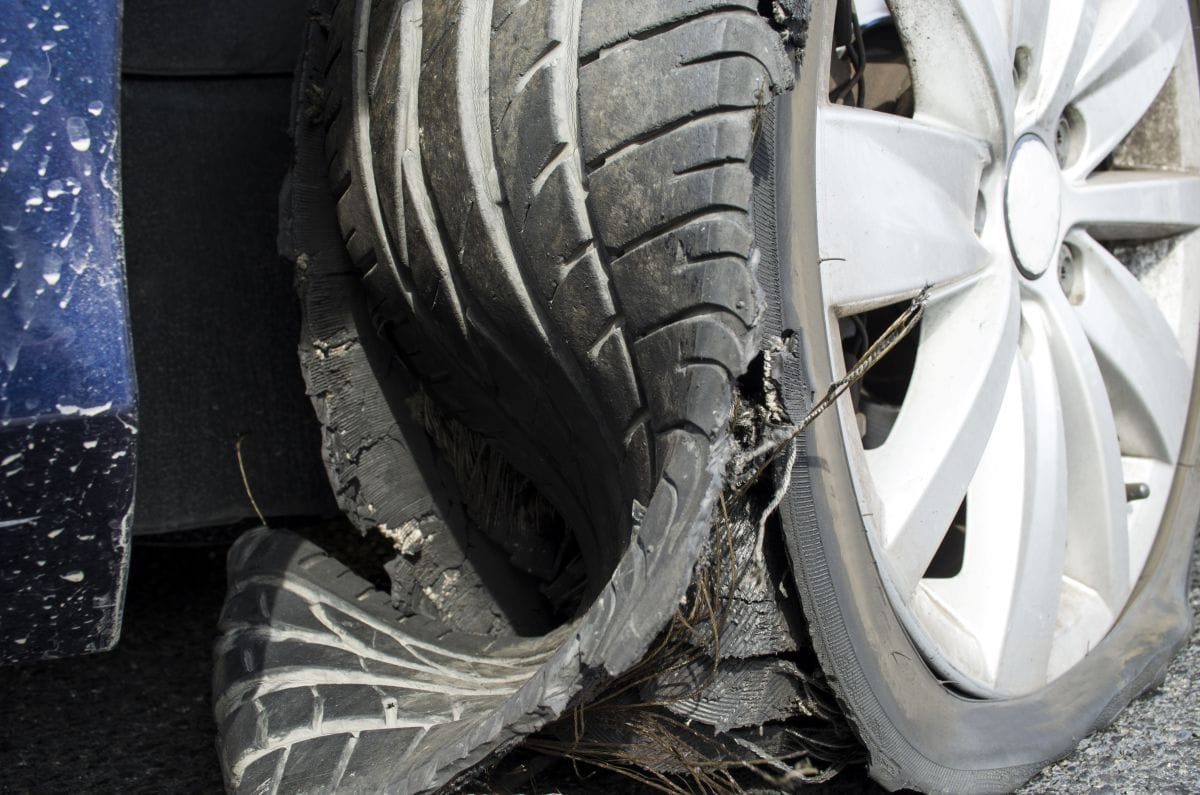
A New Mexico state jury has issued a $220 million verdict against Michelin North America Inc. after concluding that a defective tire manufactured by the company caused a 2021 car crash that killed three members of a Texas family. The ruling followed a 10-day trial in which jurors found Michelin solely responsible for the catastrophic failure of one of its LTX M/S 2 tires. Co-defendant Discount Tire Company of New Mexico Inc. was cleared of any liability.
Court filings show that the fatal incident occurred on July 12, 2021, in Gaines County, Texas, when Laura Zamarippa was driving her family vehicle with her mother, Rosalva Marin, and daughter, 14-year-old Alexis Zamarippa. The front driver-side tire, a Michelin LTX M/S 2, suffered a violent failure that caused the vehicle to veer into oncoming traffic. Both adults were pronounced dead at the scene, while the teenager later succumbed to her injuries at a nearby hospital.
The Trial and Evidence Presented
The plaintiffs, represented by attorneys from Kaster Lynch Farrar & Ball, contended that the tire’s design and manufacturing defects rendered it unreasonably dangerous for consumer use. During litigation, Michelin sought to limit the disclosure of certain internal documents and communications. According to the plaintiffs’ counsel, the New Mexico Supreme Court ultimately denied Michelin’s attempt to withhold those materials, allowing key evidence to be introduced at trial.
"Michelin fought hard — all the way to the New Mexico Supreme Court — in an effort to not produce certain emails and documents that had not been produced before," attorney Wes Ball said in a statement. "The court denied that request, and we believe those materials introduced at trial were key in showing Michelin's decision to gamble with people's lives."
The jury awarded substantial compensatory damages for mental anguish and loss of companionship. Specifically, each surviving member of Marin’s family received $6.25 million for past and future mental anguish and loss of companionship, while each surviving member of the Zamarippa family received $5 million under the same categories. The verdict did not include punitive damages.
Michelin’s Response and Defense
In its post-verdict statement, Michelin expressed disagreement with the jury’s findings, emphasizing the tire’s age and wear at the time of the accident. "While we respect the jury's work and acknowledge the profound loss experienced by the family, we strongly disagree with the outcome of this case," a Michelin spokesperson stated. "The evidence showed at trial that the tire was seven years old, had been damaged, and had been in service approximately 70,000 miles. We believe in the quality, innovation, and safety of our products and will vigorously pursue all available legal avenues to seek a reversal."
This argument reflects a common defense in product liability litigation—asserting that improper maintenance, age, or external damage, rather than a manufacturing flaw, caused the product’s failure. The company has not indicated whether it plans to file an appeal, though its statement suggests post-trial motions and appellate review are forthcoming.
Legal and Industry Implications
The verdict underscores the significant financial and reputational exposure manufacturers face when consumer safety is questioned. Product liability cases involving tires often center on the integrity of materials, design tolerances, and internal testing standards. A finding of 100% liability against a global manufacturer such as Michelin signals to the automotive industry the heightened scrutiny juries apply when safety-critical components fail in service.
For manufacturers, the outcome reinforces the importance of comprehensive recordkeeping and transparent disclosure in litigation involving alleged defects. The court’s decision to compel Michelin to produce internal documents may also set a procedural precedent for discovery in future cases involving corporate confidentiality and safety data.
From a policy perspective, the verdict contributes to the ongoing national discourse about the service life of automotive tires, particularly as aging tires remain in circulation longer than manufacturers recommend. Tire aging, even absent visible wear, can degrade internal components, potentially leading to catastrophic failures under load or heat stress. The case serves as a reminder of the risks associated with extending the use of older tires beyond recommended service periods.
What Comes Next
With a $220 million judgment now entered against it, Michelin faces significant strategic and financial decisions regarding appeals and settlement negotiations. If the company seeks appellate review, arguments are likely to focus on evidentiary rulings and jury instructions regarding product lifespan and maintenance responsibilities.
The plaintiffs’ success at trial may also encourage similar suits involving alleged tire defects or aging-related failures. Legal analysts note that high-profile verdicts often trigger increased litigation activity as plaintiffs’ firms review past accidents for potential claims under comparable factual scenarios.
Meanwhile, Discount Tire Company of New Mexico’s exoneration at trial illustrates the challenges of assigning fault in multi-defendant product cases. Retailers and service providers often depend on manufacturer representations of safety, and juries tend to place primary responsibility on the entity with direct control over product design and quality assurance.
Case Details
Case Name: Grano et al. v. Michelin North America Inc. et al.
Court Name: Fourth Judicial District Court, San Miguel County, New Mexico
Case Number: D-412-CV-2021-00197
Plaintiff Attorney(s): Kaster Lynch Farrar & Ball