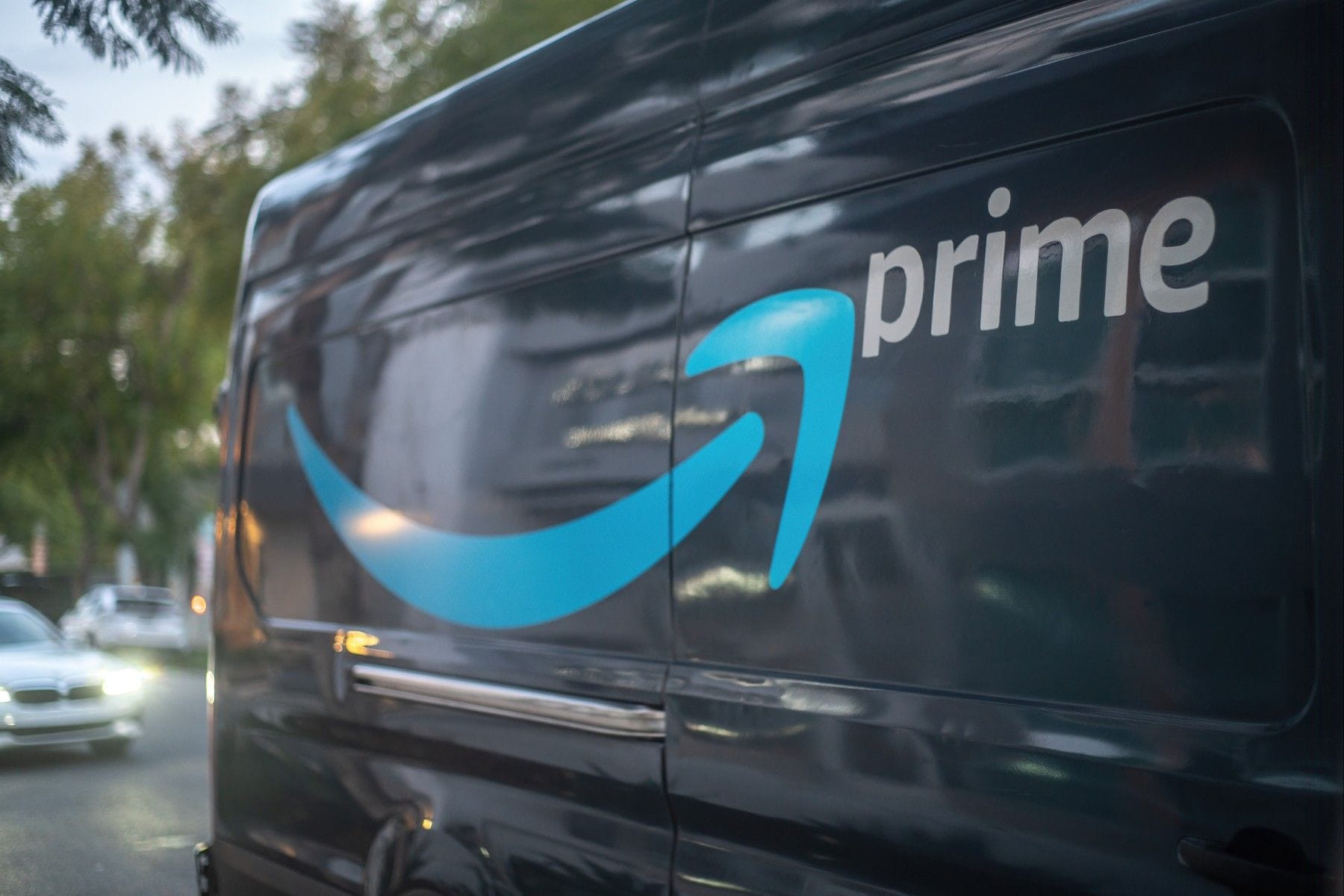
A Middlesex County jury returned a $56 million verdict in July 2026 for Malcolm S. Carnwath, a Newburyport resident who suffered catastrophic injuries in a November 2024 head-on collision involving an Amazon-branded delivery vehicle on Lafayette Road in Portsmouth, New Hampshire.
The case was tried in Middlesex Superior Court after being filed in May 2025. By the time it reached trial, the defendants had stipulated to liability, leaving damages as the central issue for the jury.
Carnwath was represented by J. Tucker Merrigan and Korey Kajko of Sweeney Merrigan Law LLP along with Marc L. Breakstone of Breakstone, White & Gluck. The firms described the $56 million award as the largest single-plaintiff personal injury verdict in Massachusetts history and the largest verdict entered against Amazon nationwide.
The case also drew attention because Amazon accepted liability shortly before trial after previously disputing whether it could be held responsible for a driver employed by an independent delivery service partner.
Collision, Injuries, and Long-Term Care Needs
The crash occurred on November 16, 2024, when an Amazon delivery vehicle crossed the center line and struck Carnwath’s vehicle head on.
The driver, Nazayah Carrasquillo, was working a route for Amazon delivery partner Agora Logistics. Carnwath’s attorneys said the driver had fallen asleep at the wheel, and dashboard footage showed him repeatedly closing his eyes in the moments before the collision.
Carnwath was 77 years old at the time of the crash. He had worked in real estate and also performed as a semi-professional musician.
His injuries were catastrophic. The plaintiffs attorneys reported that Carnwath broke 24 bones and suffered organ damage. His heart stopped for 12 minutes before he was revived, and multiple strokes later caused a traumatic brain injury. Doctors also amputated his leg below the knee.
Carnwath has undergone 24 surgeries and now requires around-the-clock nursing care.
The damages case, therefore, extended well beyond the immediate trauma from the crash, encompassing permanent neurological impairment, ongoing medical treatment, loss of independence, and lifelong care needs.
Amazon Accepts Liability Shortly Before Trial
The case was brought as Kerrie H. Deragon, as legal guardian and next friend of Malcolm S. Carnwath v. Amazon Logistics Inc., Agora Logistics LLC and Nazayah Carrasquillo, case No. 2581CV1262 in Middlesex County Superior Court.
For much of the litigation, Amazon disputed responsibility for Carrasquillo’s conduct because he was employed by Agora Logistics rather than Amazon directly.
That position changed shortly before trial.
Two weeks before trial, Carrasquillo admitted that he negligently caused the collision. Agora Logistics also admitted that Carrasquillo was acting within the course and scope of his employment and that Agora was vicariously liable for his negligence.
One week before trial, Amazon filed a stipulation accepting liability for the remaining claim against it. The stipulation left Carnwath’s damages as the sole issue for the jury.
Sweeney Merrigan managing partner J. Tucker Merrigan said Amazon had fought the agency issue aggressively throughout discovery before ultimately stipulating to liability shortly before trial.
Merrigan also pointed to the public nature of the filing, saying he hoped plaintiffs’ attorneys around the country could cite the stipulation in future litigation involving Amazon delivery partners.
The stipulation does not create binding precedent in other cases, but it removed the disputed vicarious liability issue from Carnwath’s trial and created a public court record addressing Amazon’s responsibility in this matter.
The Damages Trial and $56 Million Verdict
With negligence and agency resolved before trial, Carnwath’s attorneys focused their presentation on the extent of his injuries, future medical needs, and loss of quality of life.
The plaintiff’s team asked the jury to award $300 million.
Amazon argued that the case was worth closer to $37 million, with that amount described as covering medical and life care costs as well as pain and suffering.
Before trial, Amazon had offered $20 million to settle the case.
The jury ultimately awarded Carnwath $56 million in July 2026.
The verdict substantially exceeded Amazon’s settlement offer and its damages position at trial, while remaining below the amount requested by Carnwath’s attorneys.
Merrigan also disclosed that the plaintiff’s pretrial settlement demand had been $90 million and that the parties did not enter into a high-low agreement limiting the potential verdict.
After the verdict was returned, Carnwath, who is unable to speak because of his injuries, used a Tobii Dynavox assistive communication device to enter the amount of the award.
Sweeney Merrigan and Breakstone, White & Gluck have described the result as the largest single-plaintiff personal injury verdict in Massachusetts history. The firms also described it as the largest verdict entered against Amazon anywhere in the country.
Sweeney Merrigan Credits Massachusetts' Speedy Trial Statute
The case also moved to trial relatively quickly given the severity and complexity of the injuries involved.
Merrigan credited Massachusetts' speedy trial statute, which provides for expedited handling of cases involving parties age 65 or older.
Carnwath’s attorneys invoked the statute, and Merrigan said Carnwath received his verdict approximately 20 months after the November 2024 crash.
The timing was significant given Carnwath’s age and medical condition. His complaint was filed in May 2025, and the case reached a jury in July 2026.
What the Case Means for Agency and Delivery-Driver Litigation
The $56 million award was notable both for its size and for the way the issues changed shortly before trial.
For nearly two years, Amazon disputed whether it could be held responsible for the actions of a driver employed by Agora Logistics. Its decision to accept liability shortly before trial removed that dispute from the jury and converted the case into a focused damages proceeding.
Merrigan and Breakstone have emphasized the broader significance of Amazon’s public stipulation. Merrigan has said he hopes other attorneys can point to the filing when litigating similar claims involving Amazon delivery partners.
The stipulation does not determine liability in future cases, which will depend on their own facts and governing law. But in Carnwath’s case, it meant the jury did not have to decide negligence or agency.
Instead, the trial centered on the consequences of the crash: traumatic brain injury, amputation, permanent disability, future life care, and the loss of independence associated with catastrophic injury.