What you'll learn
How pressure injuries form, progress, and are staged
Evidence-based prevention standards for pressure injuries and falls
How to identify negligence red flags and evaluate causation, damages, and common defenses
Webinar Details
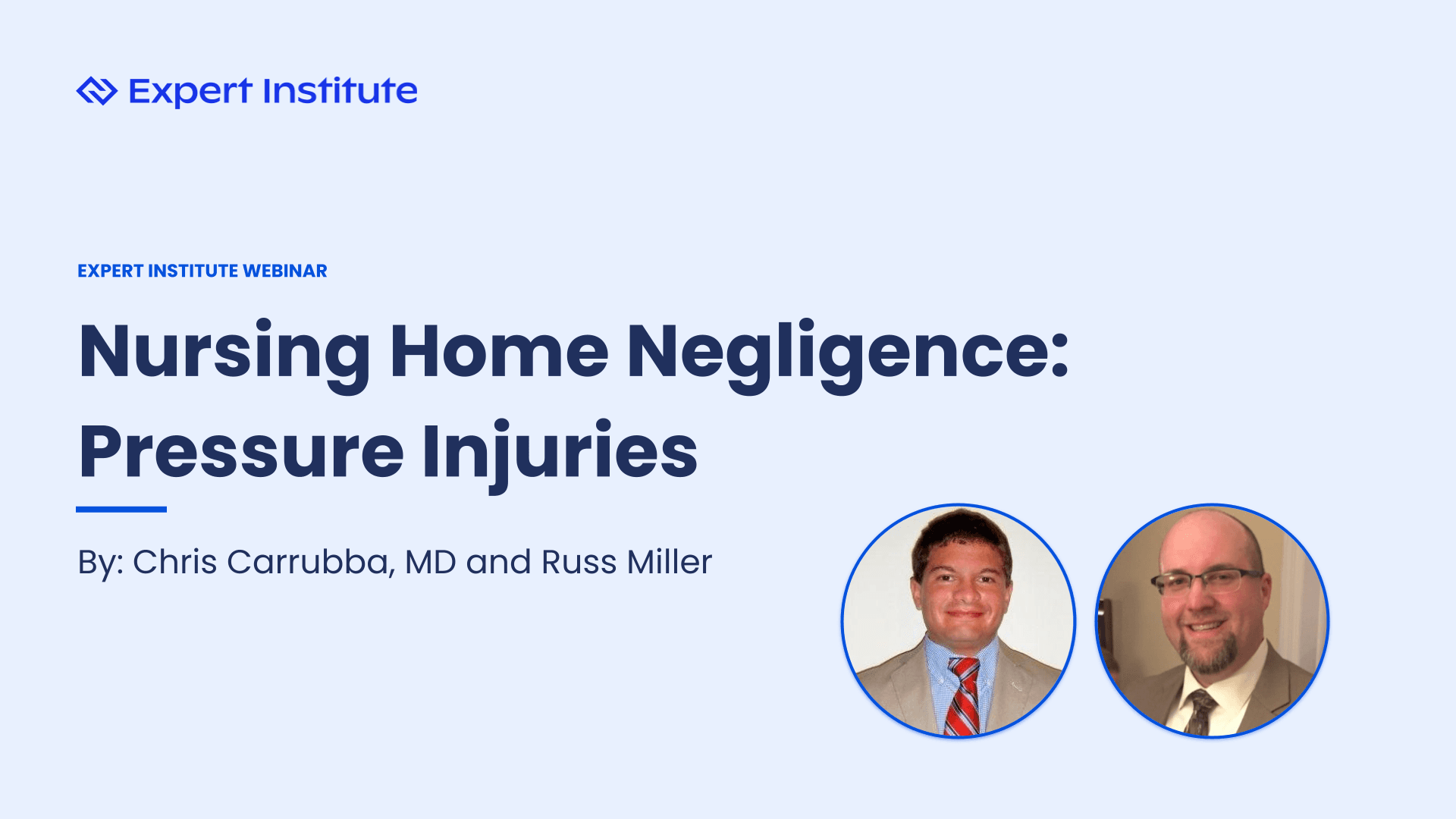
Speakers: Christopher Carrubba, M.D., Russ Miller, RN, DNP
Date: Thursday, September 24th, 2026
Who is this for:
Content
How pressure injuries develop, progress, and are staged
Min
Prevention standards, including assessment, repositioning, offloading, nutrition, and escalation
Min
Documentation gaps and red flags across nursing care, facility operations, and physician oversight
Min
A framework for evaluating causation, damages, and common defenses
Min
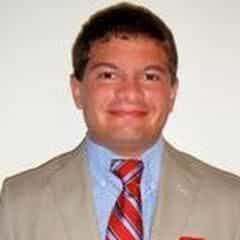
Christopher Carrubba, M.D.
Physician and medical researcher with residency training in internal medicine. Dr. Carrubba brings experience in medical education, quality improvement consulting, and legal consulting.

Russ Miller, RN, DNP
Doctor of Nursing Practice and nursing home administrator with more than 20 years of clinical leadership experience. He serves as Regional Director of Clinical Services at Saber Healthcare Group.