$644M Verdict in Winter Park Staircase Fall
An Orange County jury found Winter Park bar owners liable for an interior staircase fall that left a patron partially quadriplegic.
Published on
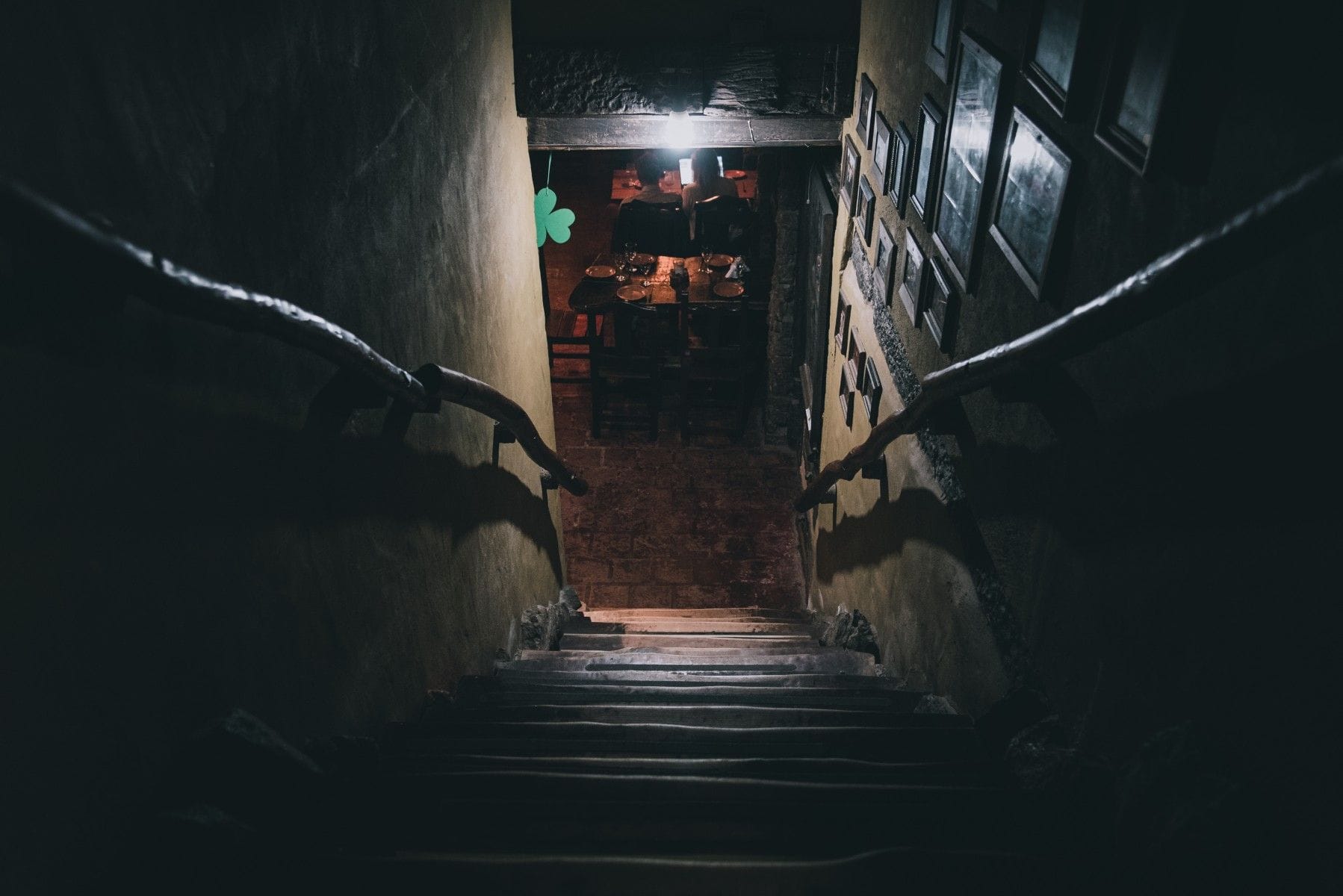
An Orange County jury returned a $644,751,855 verdict against the owners of a Winter Park bar arising from a November 2017 fall down an interior staircase that left a 57-year-old man partially quadriplegic. The claims focused on whether the stairway leading from a second-story venue created an unreasonably dangerous condition for patrons exiting the business, and whether the operators failed to address basic safety features despite the foreseeable risk of serious injury. The damages award, which includes substantial noneconomic components and a loss-of-consortium recovery for the plaintiff’s spouse, underscores the high financial exposure that can follow premises liability allegations involving catastrophic spinal injuries.
Staircase fall and the premises liability allegations
The incident occurred as the plaintiff was leaving Park Social in Winter Park, a second-story bar in a building constructed in 1926. According to statements released by the plaintiff’s counsel, he fell down approximately 20 stairs and suffered severe trauma, including fractures to his neck and skull. The resulting neurologic injuries were described as life-altering: the plaintiff reportedly has no sensation from the chest down and essentially no meaningful movement in his legs, arms, or torso, along with the loss of taste and smell. The factual presentation emphasized how a single fall on a stairway can translate into extensive lifelong medical needs and attendant limitations on independence, employment, and daily functioning.
The liability theory, as described in the same materials, centered on multiple alleged defects in the stair design and maintenance. The plaintiff’s attorneys asserted that the stairs were too narrow and too steep, lacked grip tape on the treads, and had inadequate handrails. In premises liability terms, the dispute turned on whether the stairway’s condition posed an unreasonable risk to invitees and whether the operators acted reasonably in inspection, maintenance, and warnings given the environment and use of the premises. The age of the building did not eliminate the duty to provide reasonably safe means of ingress and egress, and the plaintiff’s case framed the condition as preventable through readily available safety measures.
Trial presentation and jury’s finding of responsibility
During trial, the plaintiff’s team sought to translate stairway characteristics into a concrete explanation of how the fall occurred and why it was foreseeable. The reported focus on steepness, tread friction, and handrail adequacy reflects common premises cases where jurors are asked to assess whether a stairway’s geometry and safety features meet reasonable expectations for a public venue. In this posture, the factfinder is typically evaluating both the physical condition and the operators’ knowledge and response—whether the condition existed long enough to be discovered, whether it was inherent to the design, and whether there were practical steps that could have reduced risk without undue burden.
The suit named Soho WP and BE-1 Concept Holdings as the entities that owned and operated the business identified as Social Park. According to the case account, the plaintiff was represented by Morgan & Morgan, and the representation emphasized that the fall’s consequences extended beyond mobility to broader aspects of identity and daily life. In a statement attributed to attorney Brian McClain, counsel said, “Our client’s injuries altered his life completely and permanently.” The verdict reflects the jury’s acceptance of a causation narrative linking the alleged stairway deficiencies to catastrophic injury, and a determination that the defendants bore civil responsibility for maintaining conditions that did not meet the required standard of care for patrons.
Damages breakdown and broader implications for premises operators
The jury’s award totaled $644,751,855.08, a figure presented as including both economic and noneconomic damages as well as a spousal recovery. The breakdown reported for the verdict included $166 million for past pain and suffering and $363 million for future pain and suffering, reflecting the long time horizon associated with spinal cord injuries and the enduring impact on bodily function and daily autonomy. The verdict also included $109.5 million awarded to the victim’s wife for loss of consortium and services, a component that recognizes the injury’s effect on the marital relationship and the practical support that may be lost when a spouse becomes profoundly disabled.
In addition, the award reportedly included $6,251,855 for medical expenses and lost earnings. While that economic figure is comparatively modest relative to the noneconomic portions, the overall structure illustrates how juries may value the human consequences of catastrophic injury separately from itemized bills and wage loss. The case also highlights how premises-related injuries involving stairs can produce outsized exposure when plaintiffs establish severe, permanent impairment and a compelling linkage between physical features and the mechanism of injury. For property owners and hospitality operators, the verdict serves as a reminder that stair safety—tread traction, code-compliant handrails, and safe geometry—can become central issues when a fall results in irreversible harm.
Procedural posture and what to watch next
The verdict concludes the jury phase but does not necessarily end the case. Post-trial motions may challenge legal rulings, the sufficiency of evidence, or the amount of damages, and the defendants may seek appellate review. In cases with very large noneconomic awards, litigants often litigate remittitur requests, judgment interest, and the form of the final judgment, in addition to any insurance coverage disputes that can arise in parallel. The enforceability timeline may depend on the court’s rulings on those post-trial issues and any stays pending appeal.
Public statements from counsel also placed the verdict in personal and family context, including a quote attributed to firm founder John Morgan regarding his family’s experience with quadriplegia. From a litigation perspective, the central takeaway is that stairway-condition allegations can resonate strongly with juries when the injuries are permanent and the plaintiff can show multiple, concrete safety deficiencies. As the case proceeds through any post-verdict motions or appeal, attention will likely focus on the evidentiary basis for liability and the legal standards governing a damages award of this magnitude.