PacifiCorp Owes More Than $53M In Latest Wildfire Verdict
A new wildfire damages verdict adds to growing liability facing a major utility over a catastrophic windstorm-driven fire event.
Published on
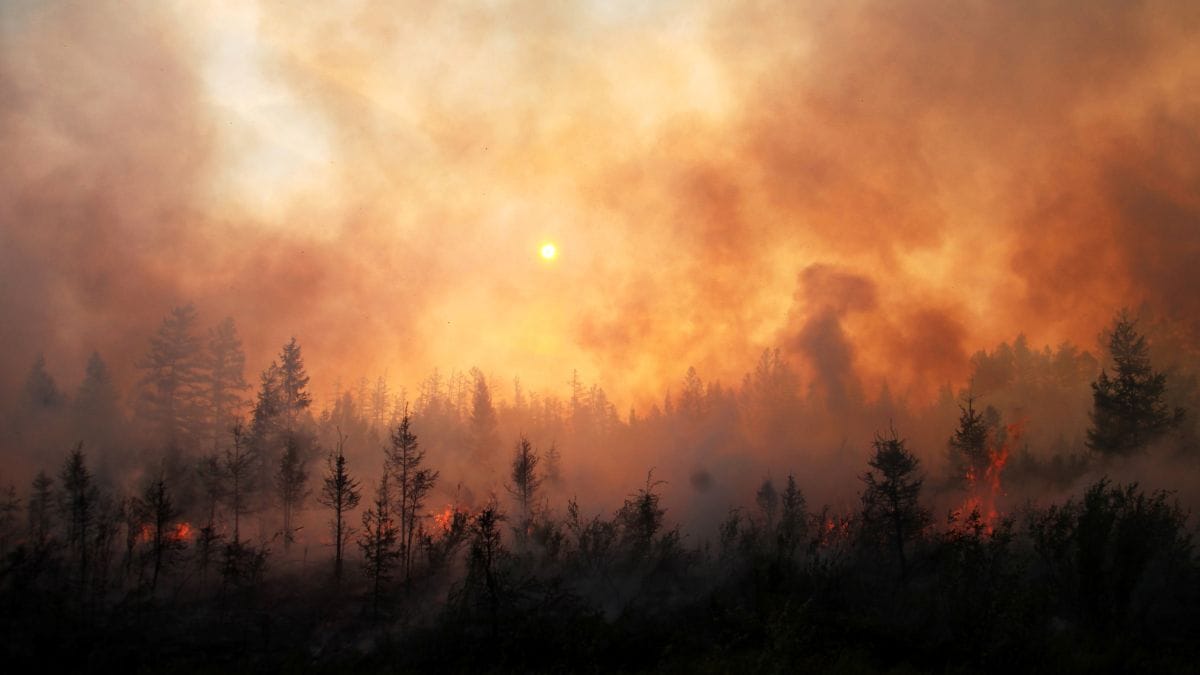
An Oregon state jury has awarded $53.4 million in noneconomic damages to 12 plaintiffs in the latest trial stemming from the devastating Labor Day 2020 wildfires that swept across the state. The verdict represents the seventeenth trial arising from the same group of fires and continues a series of substantial awards tied to a prior determination that PacifiCorp was responsible for igniting multiple wildfire clusters.
The damages awarded ranged from $2 million to $5.7 million per plaintiff and reflect compensation for emotional distress, displacement, and loss of personal property and community ties. Economic damages were not at issue during this trial because the utility had previously reached agreements with the plaintiffs resolving those claims.
This most recent verdict further increases the cumulative damages awarded in litigation connected to the 2020 wildfire events, which now exceed $800 million across multiple jury trials. The outcome underscores the continuing financial exposure facing utilities in wildfire-prone regions where operational decisions during extreme weather events can have far-reaching consequences.
Background: The 2020 Labor Day Wildfires
The litigation arises from a series of fast-moving wildfires that erupted across Oregon during Labor Day weekend in September 2020. Several fires were linked to PacifiCorp’s power lines, and in 2023 a jury determined on a class-wide basis that the utility was liable for damages connected to four clusters of wildfires.
At the time, weather forecasts had warned of a severe windstorm expected to produce hazardous conditions capable of spreading fires rapidly. Plaintiffs alleged that the utility failed to take preventive measures, including de-energizing certain power lines despite the heightened wildfire risk.
In 2023, a jury determined on a class-wide basis that PacifiCorp was liable for damages suffered by thousands of property owners affected by four clusters of wildfires. That verdict established the foundation for a series of subsequent trials focused on determining individual damages for class members.
The same jury also concluded that punitive damages should be assessed at a rate equal to 25 percent of compensatory damages awarded in future proceedings. This framework has shaped the ongoing litigation as individual plaintiffs present evidence regarding personal losses and emotional harm caused by the fires.
Personal Losses Highlighted at Trial
Among the plaintiffs in the latest trial were Deanna and Gary Daniel, whose home served as a central gathering place for their extended family before it was destroyed by the fires. The couple also operated an excavation business that was deeply rooted in their community
During opening arguments, the jury was shown a video recorded by Deanna Daniel as the family prepared to evacuate. The footage captured the emotional difficulty of choosing which belongings to take while leaving cherished items behind.
According to statements presented during trial, the home contained numerous handmade keepsakes and mementos from the couple’s children. As she filmed the evacuation process, Deanna Daniel remarked, “OK, kids, I can't take everything, all the things you made me.”
When the Daniels later returned to their property, they discovered that the home had burned completely to the ground. The jury ultimately awarded Deanna Daniel $5.7 million in noneconomic damages, reflecting the emotional toll associated with the destruction of the residence and the resulting displacement.
Testimony also described the broader lifestyle changes experienced by the family following the fire. Gary Daniel, once an avid fisherman, reportedly has not resumed the activity since the disaster.
Defense Arguments on Appropriate Compensation
Attorneys representing PacifiCorp did not contest that the plaintiffs experienced significant hardship during the wildfire events. Instead, the defense focused its strategy on challenging the scale of the noneconomic damages being requested.
Counsel for the utility argued that the jury should carefully evaluate the duration of displacement, the extent of emotional harm, and the personal significance of property lost when determining compensation.
“We're not going to try to undermine the plaintiffs' testimony,” defense counsel stated during opening remarks. “There won't be any Perry Mason moment in this trial.”
During closing arguments, the defense proposed substantially lower compensation figures than those ultimately awarded by the jury. Suggested amounts ranged from approximately $400,000 to $950,000 per plaintiff based on the defense’s assessment of the evidence
The jury ultimately rejected those proposals and returned damages significantly higher than the suggested range.
Ongoing Appeals and Broader Litigation
While damages trials continue across Oregon, PacifiCorp is simultaneously pursuing an appeal of the foundational 2023 class liability verdict. The company argues that the trial court improperly allowed expansive evidence and erred in certifying a broad class of plaintiffs.
During oral arguments before the Oregon Court of Appeals in February, attorneys for the utility contended that the underlying verdict should be overturned due to procedural and evidentiary concerns. A ruling on that appeal could have major implications for the ongoing damages trials and for the utility’s potential long-term liability.
If the liability determination is upheld, PacifiCorp could continue facing additional trials involving thousands of affected property owners whose claims remain unresolved. Each proceeding focuses on the individual emotional and personal impacts experienced by property owners whose homes, businesses, and communities were damaged or destroyed.
The litigation has also drawn attention to operational decision-making by utilities during extreme weather conditions, particularly as climate-driven wildfire risks intensify across the western United States.
Case Details
Case Name: In re: PacifiCorp
Court Name: 4th Judicial District Court of Oregon
Plaintiff Attorney(s): Keller Rohrback LLP
Defense Attorney(s): Markowitz Herbold PC; Hueston Hennigan LLP; Stoel Rives LLP