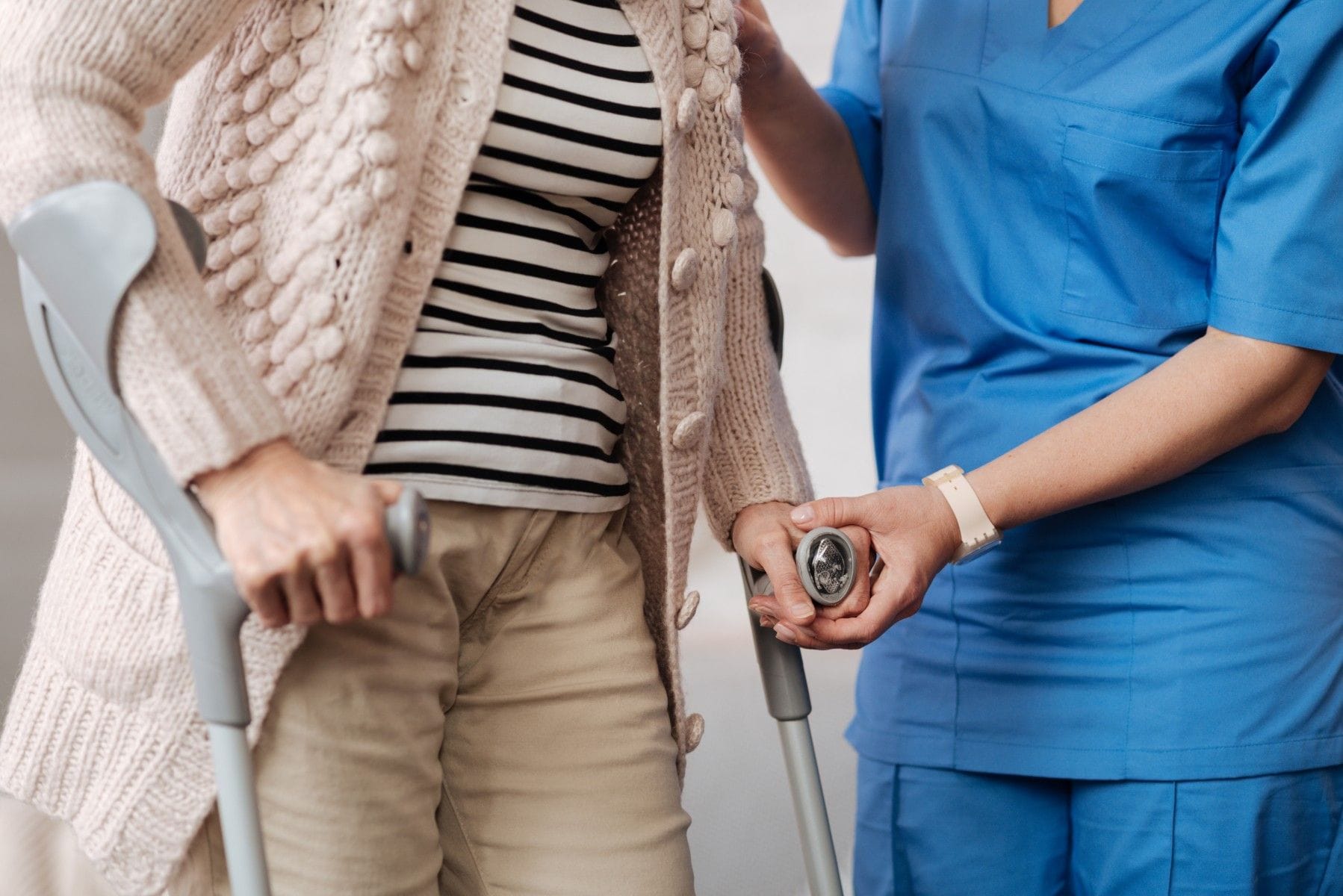
Nursing home cases often require more than a general nursing expert. The issues usually span clinical care, staffing, regulatory compliance, documentation, and causation in an older, medically fragile population. A credible nursing home expert witness helps counsel sort those issues early, identify what is supportable, and build opinions that can withstand deposition and admissibility challenges.
For attorneys, the practical question is rarely whether an expert is helpful. It is which expert is needed, for what issue, and at what stage of the case.
When a nursing home expert is usually needed
In many nursing home negligence matters, expert input becomes important at the first screening stage. Counsel may need an expert to assess whether the facility departed from accepted long-term care standards, whether the records support a causal link to the claimed injury, and whether the case requires multiple specialties rather than a single reviewer.
Common case themes include:
- pressure injuries
- falls and fractures
- elopement or wandering
- dehydration and malnutrition
- medication errors
- infection control failures
- neglect, abuse, or delayed escalation of care
Some jurisdictions also impose pre-suit requirements, such as an affidavit or certificate of merit, which can make early expert review mandatory. Even where not required, early review often shapes pleading decisions, preservation requests, and case valuation.
What nursing home experts actually analyze
A nursing home expert is typically asked to address one or more of three issues: standard of care, causation, and damages-related consequences.
On standard of care, the expert may evaluate whether the facility properly assessed risk, developed an appropriate care plan, implemented physician orders, monitored the resident, documented material changes, and escalated concerns in a timely way.
On causation, the analysis is often more demanding. Residents in skilled nursing and long-term care settings commonly have multiple comorbidities, baseline cognitive decline, limited mobility, or end-stage disease. A reliable expert should account for those conditions and explain why the alleged failure did or did not materially contribute to the outcome.
Experts in these cases often review:
- the chart and progress notes
- Minimum Data Set (MDS) assessments
- care plans
- ADL and CNA flowsheets
- MARs and TARs
- incident reports
- staffing records and schedules
- facility policies and procedures
- survey history and deficiency materials
- hospital transfer records and death records where relevant
In practice, missing records matter. An expert opinion based on an incomplete production is easier to attack, especially where staffing, repositioning, intake, skin checks, or supervision are central issues.
The most common expert types in nursing home litigation
Many cases need more than one expert. The strongest expert strategy usually separates clinical care opinions from administrative or specialty opinions rather than forcing one witness to cover every issue.
Registered nurse or nurse practitioner
An RN or NP with substantial long-term care experience is often the core standard-of-care expert. These experts can address assessment, care planning, nursing interventions, documentation, fall precautions, skin integrity monitoring, and escalation to physicians or higher levels of care.
Physician expert
A geriatrician, internist, physiatrist, or other physician may be needed where medical causation is contested. Physician experts are particularly useful in cases involving sepsis, aspiration, fractures, medication complications, pressure injury progression, or whether hospitalization should have occurred earlier.
Wound care specialist
In pressure injury cases, a wound care expert may address staging, preventability, turning and repositioning, offloading, moisture management, nutrition, and whether the wound was consistent with the facility’s documentation.
Pharmacist
A consultant pharmacist or clinical pharmacist may be appropriate where the case centers on polypharmacy, contraindications, sedatives, anticoagulants, missed doses, or medication administration and monitoring failures.
Nursing home administrator or staffing expert
Administrative experts are often used for opinions on facility systems, staffing adequacy, supervision structure, policy implementation, training, and operational failures. They can be especially important where the theory of the case is not just bedside negligence, but institutional neglect.
How to evaluate qualifications
The best nursing home expert is not always the most credentialed on paper. The better question is whether the expert’s background matches the opinion being offered.
Attorneys should usually focus on:
- recent hands-on long-term care experience
- familiarity with skilled nursing facility operations
- experience with the specific issue in dispute, such as wound care or falls
- a disciplined approach to record review and causation
- testimony history, including prior exclusions or impeachment material
- ability to use regulations and facility policies appropriately
That last point is important. Nursing home experts often rely on CMS regulations, state regulations, and F-tags to help explain the framework of care. But an expert who simply equates a regulatory deficiency with negligence, or offers legal conclusions rather than professional opinions, creates avoidable admissibility risk.
Daubert and Frye issues in these cases
Nursing home expert challenges often focus less on abstract science and more on fit, methodology, and overreach.
Common weak points include:
- using F-tags as if they independently establish the civil standard of care
- offering staffing opinions without analyzing census, acuity, assignments, or actual workflow
- making causation claims without addressing comorbidities or alternative explanations
- relying on hindsight rather than what staff knew at the time
- opining outside the witness’s actual clinical or administrative experience
A well-vetted expert should be able to explain not just the conclusion, but the path to the conclusion: what records were reviewed, what standards were applied, what alternatives were considered, and where the limits of the opinion lie.
Working with the expert effectively
In nursing home litigation, expert work is rarely limited to a final report. Strong experts can help counsel identify missing records, refine discovery requests, prepare deposition outlines, and separate strong allegations from weaker ones before the case hardens around a flawed theory.
An efficient intake for expert review usually includes the complete facility chart, hospital records, survey materials, policies, and available staffing documentation. If the case involves pressure injuries, falls, or medication issues, counsel should also confirm that the record set includes the specialty-specific materials needed to support a defensible opinion.
Where counsel is evaluating multiple potential witnesses, disciplined expert vetting can help identify fit issues before they become deposition problems.
Bottom line
Nursing home cases are often won or lost on whether the expert analysis is properly matched to the claim. The right expert can clarify standard of care, narrow causation disputes, and expose documentation or staffing issues that would otherwise remain buried in the record. The wrong expert can create admissibility problems and weaken the case theme. Early, careful expert selection usually pays for itself in both case screening and later-stage litigation strategy.