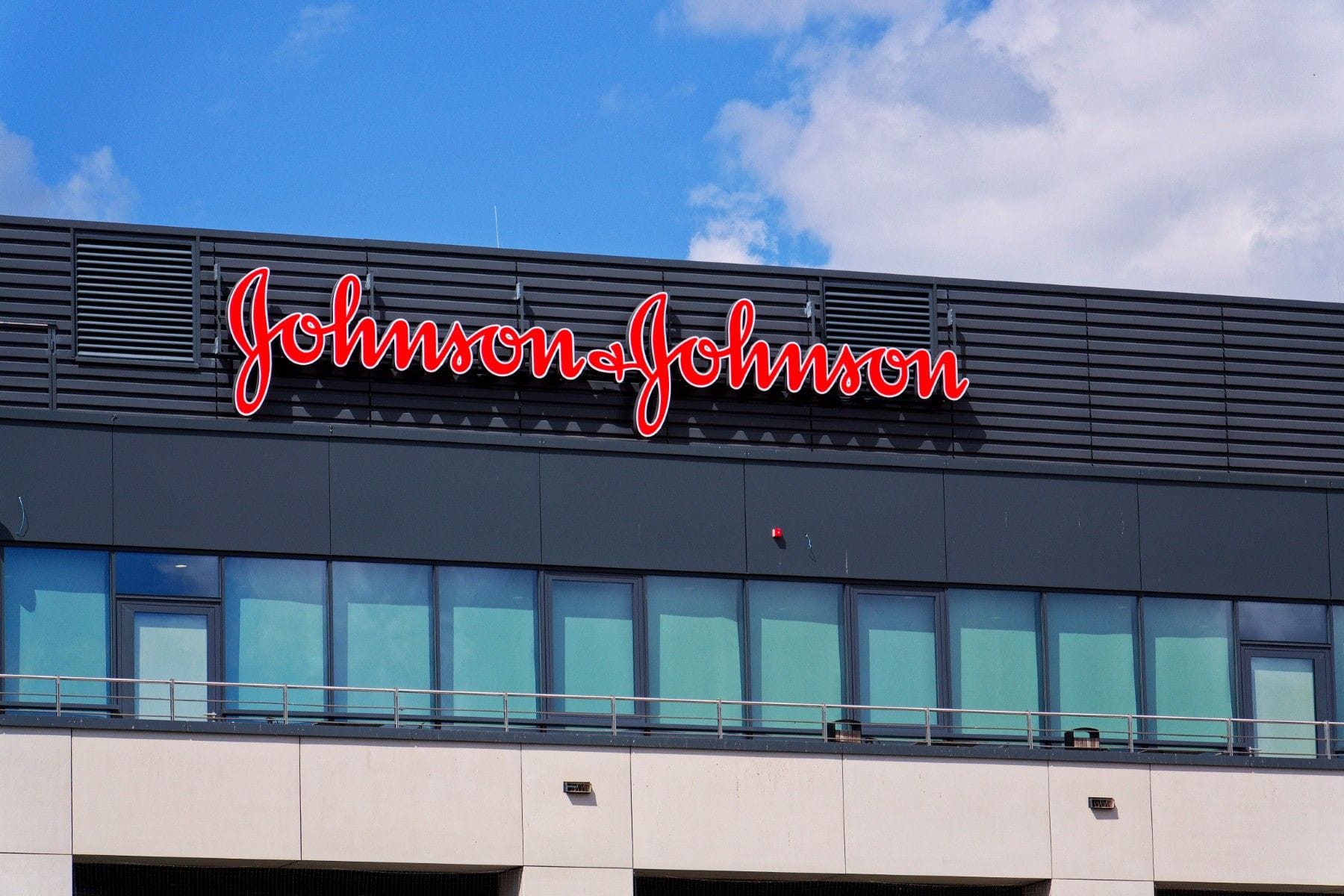
Johnson & Johnson has proposed a $5.5 billion settlement aimed at resolving tens of thousands of U.S. lawsuits alleging its baby powder and other talc-based products caused ovarian cancer. The New Jersey-based company framed the offer as an effort to conclude litigation that has continued for more than 15 years and has involved coordinated proceedings in federal and state courts. The proposal is structured to cover approximately 76,000 claims, representing nearly all remaining talc-related ovarian cancer matters, including those centralized in a federal multidistrict litigation in New Jersey and related state-court cases nationwide. The settlement, if implemented, would address only existing claims and would not extend to future filings.
Proposed $5.5 Billion Settlement and Participation Threshold
The settlement is described as covering about 76,000 ovarian cancer claims tied to Johnson & Johnson’s talc-based products, including cases coordinated in the federal MDL in New Jersey and related matters pending in state courts. The company stated that the proposal is intended to resolve nearly all remaining talc-related ovarian cancer claims. The structure reflects the consolidated nature of the litigation, where the MDL framework is used to manage similar claims in one forum for more efficient pretrial proceedings while preserving individual cases.
Johnson & Johnson conditioned the settlement on participation requirements, stating that it depends on, among other factors, the express participation of at least 95% of remaining claims. Under the stated terms, the proposal would not take effect automatically; law firms representing at least 95% of the remaining claimants must accept the agreement before it can become final. The company also outlined a multi-year payment schedule, indicating it plans to pay plaintiffs up to $3 billion in 2027, with remaining payouts made after 2028, and stating it will not owe additional money until 2028.
Scientific Dispute, Product Changes, and Plaintiffs’ Position
Johnson & Johnson has repeatedly denied that its talc-based products caused cancer and has asserted that the ovarian cancer lawsuits lack scientific merit. The company has also faced longstanding allegations that talc in its products, including baby powder, contained asbestos, which is widely associated with serious disease. At the same time, the record described in public reporting reflects that scientific studies have reached differing conclusions, with some research indicating an increased risk of ovarian cancer associated with genital-area talc use and other studies not finding the same association.
The plaintiffs’ leadership characterized the proposal as a compensation mechanism for individuals who have waited years for resolution. Plaintiffs’ lead counsel Chris Seeger stated that the settlement is intended to provide fair and meaningful compensation and emphasized that prolonged litigation and multiple unsuccessful bankruptcy efforts have delayed relief for claimants. Seeger, who represents about 2,500 claimants and helped negotiate the deal, also indicated the settlement value is not capped and could increase depending on participation levels, potentially reaching $7 billion or more. In this litigation, Seeger’s practice includes Seeger Weiss LLP as a representative firm identified with the plaintiffs’ leadership.
Bankruptcy Strategy, Mixed Litigation Outcomes, and What Remains
The settlement offer was described as a strategic shift following years in which Johnson & Johnson contested ovarian cancer claims in civil court while also pursuing bankruptcy-related approaches to resolve talc liabilities. The company attempted to channel talc claims into bankruptcy through a subsidiary, Red River Talc, in an effort to resolve talc claims through a single $10 billion deal. That plan was rejected by a bankruptcy court judge last year, and Johnson & Johnson elected not to appeal. More broadly, courts dismissed three separate bankruptcy attempts before the Red River Talc proposal was rejected, amid criticism of the approach sometimes referred to as the Texas two-step, which involves transferring liabilities to a subsidiary that then seeks bankruptcy protection.
In ongoing U.S. proceedings, the litigation record has been described as producing mixed outcomes, including large verdicts in some cases, defense wins in others, and reductions of certain awards on appeal. Separately, a federal judge was reported to have cast doubt on around 69,000 claims, indicating plaintiffs must provide specific evidence linking ovarian cancer to Johnson & Johnson’s baby powder and other talc-based products. The proposed settlement would cover only existing ovarian cancer claims; it would not apply to future claims, and it would not resolve other categories of talc-related litigation, including mesothelioma cases that continue to be filed and litigated.