Florida Appeals Court Rejects Punitive Damages in Turo Crash Case
An appellate ruling narrows liability exposure for a car-sharing platform following a fatal crash tied to alleged maintenance issues
Published on
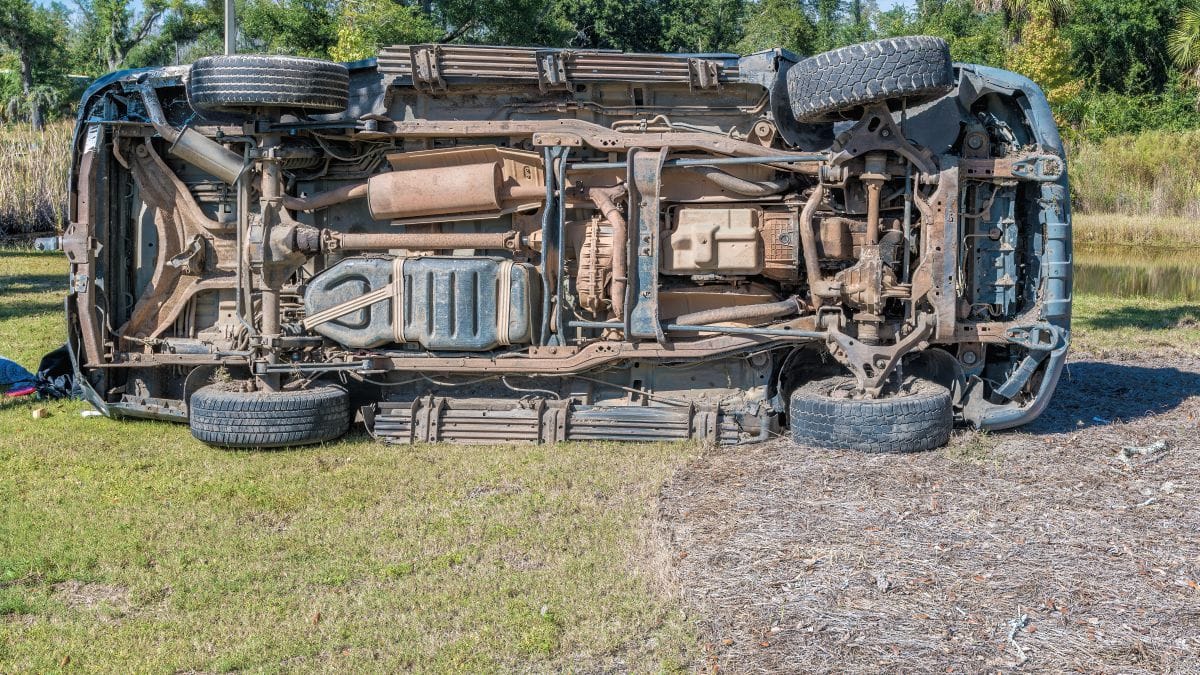
Florida’s Sixth District Court of Appeal has reversed a trial court decision that allowed punitive damages claims to proceed against car-sharing platform Turo Inc. in litigation arising from a fatal vehicle rollover. The appellate panel concluded that the allegations and evidence presented by the plaintiffs did not meet Florida’s stringent standards for punitive damages, which require proof of intentional misconduct or gross negligence.
The ruling narrows the scope of potential liability for Turo in the ongoing case, while leaving intact the underlying negligence claims related to the crash. The decision underscores the high evidentiary threshold required before punitive damages can be considered in civil litigation under Florida law.
Background of the Fatal Crash Allegations
The lawsuit stems from a truck rental arranged through Turo’s online platform. Plaintiff Cynthia Mobley alleged that Turo allowed the vehicle’s owner, Paulo Simoes de Oliveira, to continue renting the truck despite an illuminated tire pressure warning light that appeared in multiple pre-rental inspection photos.
According to the court’s opinion, Mobley contacted Oliveira through the Turo app prior to the rental to inquire about the warning light. Oliveira allegedly responded that the issue was related to a faulty sensor and assured her that the tires were in good condition. Shortly after the rental began, one of the truck’s tires failed, causing the vehicle to flip multiple times. The crash resulted in one fatality and injuries to Mobley and other occupants.
The plaintiffs argued that Turo had the authority and technical ability to restrict or remove vehicles from its platform when maintenance concerns were apparent, and that its failure to do so justified punitive damages.
Trial Court’s Basis for Allowing Punitive Damages
The Polk County trial court previously approved the addition of a punitive damages claim, citing evidence that the truck had been rented 79 times and that pre-rental inspection photos showed the tire pressure warning light illuminated in 55 of those rentals. The lower court reasoned that this pattern suggested Turo had sufficient notice of a recurring safety issue and failed to act.
Plaintiffs contended that Turo’s platform design and inspection process gave the company effective control over whether a vehicle could continue to be listed. From that perspective, they argued that Turo’s inaction rose beyond ordinary negligence. As part of this argument, they highlighted the significance of pre-rental inspection photos in documenting potential safety issues.
Appellate Court’s Analysis of Intentional Misconduct
The Sixth District Court of Appeal disagreed, emphasizing that punitive damages under Florida law require proof of intentional misconduct or gross negligence. The panel explained that intentional misconduct demands “actual knowledge of the wrongfulness of the conduct” and a deliberate decision to proceed despite a high probability of injury.
The court found that the plaintiffs failed to allege or support such intentionality. As stated in the opinion, “Appellees in their motion did not relate any of Turo’s actions as falling under the umbrella of intentional misconduct, urging only generally that their allegations and evidence supported such a theory.”
The judges also noted the absence of evidence showing that Mobley or other renters contacted Turo directly regarding the warning light. While prior renters mentioned the issue in general reviews, they did not raise it through channels that would have alerted Turo to a specific safety defect requiring immediate action.
Gross Negligence Standard and Platform Liability Implications
The appellate panel further rejected the argument that Turo’s conduct amounted to gross negligence. Under Florida law, gross negligence represents a severe departure from ordinary care and requires a showing of conduct that is reckless or wanton in nature.
“Gross negligence is a high bar,” the court stated, adding that Turo’s alleged constructive knowledge of a warning light, combined with a shows failure to restrict access to the vehicle, did not meet that standard. The decision clarifies that constructive knowledge alone, without evidence of deliberate disregard for safety, is insufficient to support punitive damages.
The ruling carries broader implications for technology-driven rental and sharing platforms. While companies may face negligence claims tied to maintenance and safety oversight, the decision reinforces that punitive exposure depends on clear proof of intentional or reckless conduct rather than generalized allegations of platform control.
Case Details
Case Name: Turo Inc. v. Cynthia Mobley et al.
Court Name: Florida Sixth District Court of Appeal
Case Number: 6D2025-1405
Plaintiff Attorney(s): Pansler Law Firm PA
Defense Attorney(s): Luks Santaniello Petrillo Cohen & Peterfriend