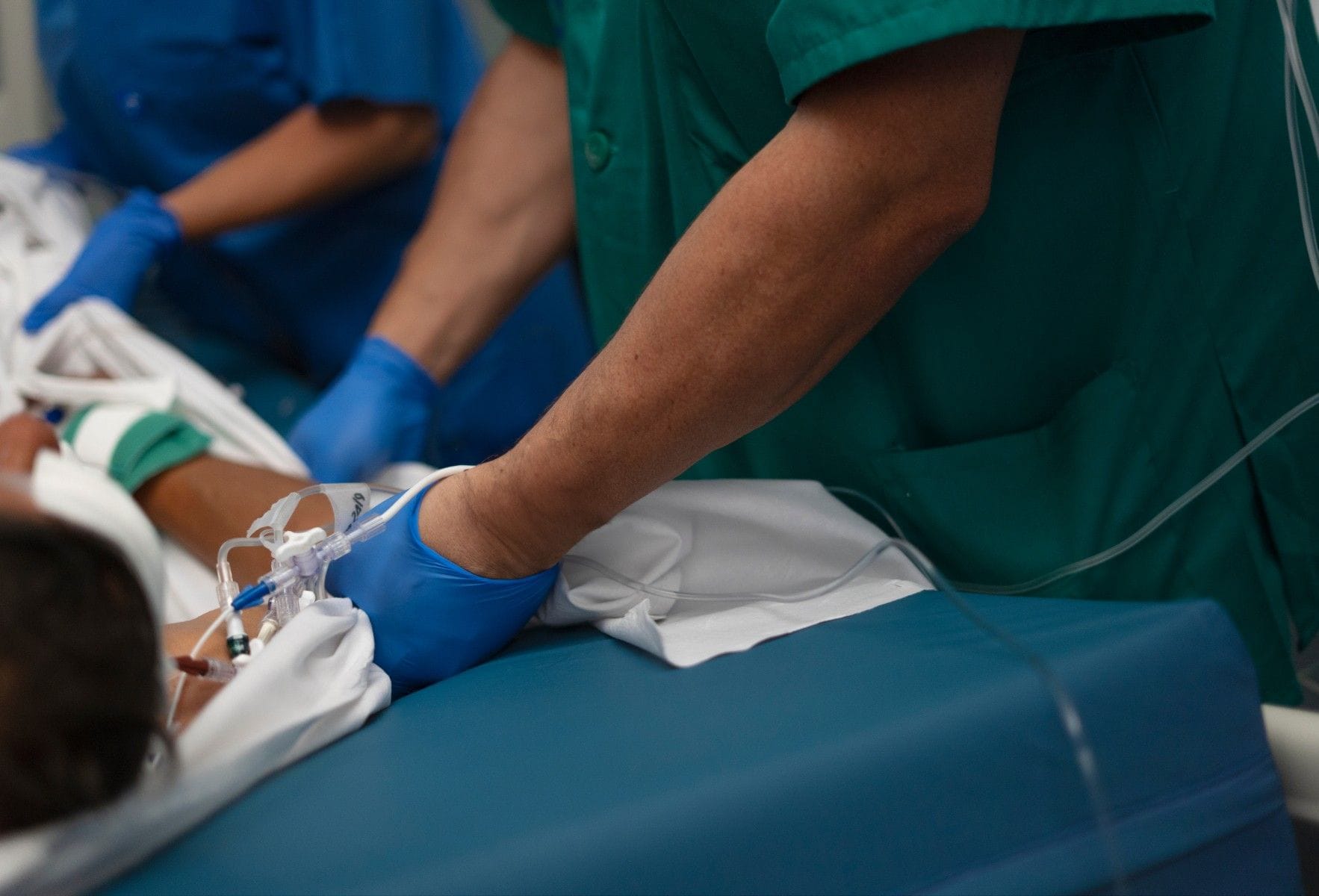
When an ICU or step-down patient declines unexpectedly, the nursing record often becomes central to the case. A critical care nursing expert witness helps attorneys assess whether bedside nursing care met the standard expected during a period of deterioration, whether escalation was timely, and how gaps in monitoring, communication, or documentation may have affected the outcome.
This role is narrower than that of a physician expert, but often just as important. In many ICU negligence and failure-to-rescue cases, the nursing timeline is where the case is won or lost.
What a critical care nursing expert witness evaluates
A critical care nursing expert typically reviews whether the assigned nurse recognized meaningful changes in the patient’s condition, responded appropriately, and escalated care when the situation required it.
That analysis usually centers on five core duties:
- assessment
- monitoring and reassessment
- intervention
- communication and escalation
- documentation
In practice, that may include questions such as:
- Were vital sign trends showing a clear decline before the event?
- Were abnormal findings reassessed within an appropriate time?
- Did the nurse notify the physician, rapid response team, or charge nurse when indicated?
- Were standing protocols, sepsis pathways, or unit escalation procedures followed?
- Does the chart support what the nurse says happened at the bedside?
The expert’s opinion may address breach of nursing standard of care, but causation usually requires coordination with physician experts, particularly where the dispute turns on diagnosis, medical decision-making, or whether earlier intervention would have changed the outcome.
Failure to rescue in ICU and step-down litigation
“Failure to rescue” is a common framework in deterioration cases. In litigation, it generally refers to a missed opportunity to recognize clinical decline and trigger timely intervention before the patient suffers a serious adverse event.
In ICU and progressive care settings, these cases often involve:
- delayed recognition of respiratory compromise
- worsening hypotension or shock
- untreated sepsis progression
- concealed or underappreciated bleeding
- neurological deterioration
- missed arrhythmia or cardiac instability
The nursing expert is often asked to build a practical bedside timeline: what the nurse knew, when the nurse knew it, what the chart showed, and what should have happened next. That timeline can be more probative than a retrospective description of the event itself.
Common deterioration pathways experts analyze
A critical care nursing expert does not simply look at the final code event or transfer. The stronger analysis usually starts hours earlier.
Respiratory decline
These cases may involve rising oxygen requirements, tachypnea, increased work of breathing, altered mental status, declining pulse oximetry, or changes in ventilator tolerance. The expert may examine whether those signs were charted, reassessed, communicated, and acted on promptly.
Sepsis and hemodynamic instability
The review often focuses on fever or hypothermia, tachycardia, hypotension, elevated lactate, reduced urine output, and mental status changes. Experts may also evaluate whether nursing staff followed sepsis screening or escalation expectations in the unit.
Hemorrhage or occult blood loss
Postoperative, trauma, or anticoagulated patients may deteriorate through subtle changes before collapse. A nursing expert may assess trend recognition involving blood pressure, heart rate, drain output, hemoglobin values, skin findings, and level of responsiveness.
Neurologic deterioration
In neuro, stroke, trauma, or post-procedure cases, the disputed issue may be whether the nurse recognized a meaningful change in pupil findings, Glasgow Coma Scale elements, limb strength, agitation, confusion, or sedation responsiveness.
Records that matter in these cases
For attorneys, the usual chart is rarely enough on its own. A meaningful expert review often depends on obtaining the records that show trend data, alarm history, staffing context, and bedside workflow.
Commonly important materials include:
- ICU and step-down flowsheets
- vital sign and intake/output records
- medication administration record
- infusion and titration documentation
- ventilator logs and respiratory therapy records
- telemetry strips and monitor data, if available
- rapid response and code records
- physician notification documentation
- laboratory and blood gas results
- handoff notes or transfer records
- staffing assignments, ratios, and float records
- relevant hospital policies and escalation protocols
Alarm logs, device downloads, and monitor strips can be especially important where the theory involves missed alarms, alarm fatigue, or failure to act on obvious trends.
Nursing standard of care versus physician standard of care
One recurring issue in ICU cases is scope. A critical care nursing expert is generally best positioned to address bedside nursing conduct: surveillance, reassessment frequency, adherence to nursing protocols, escalation, charting, and communication within the chain of command.
That same expert is usually not the right witness to opine on physician diagnosis, ICU-level medical management, surgical decision-making, or whether a particular medical treatment would definitively have prevented the injury. Those issues are often better addressed by an intensivist, surgeon, emergency physician, or other medical specialist.
Well-prepared cases use both roles carefully. The nursing expert explains what the bedside team should have recognized and done. The physician expert addresses the downstream medical consequences of delay.
What makes a strong expert in these cases
Not every critical care nurse is equally suited for ICU deterioration litigation. Attorneys usually benefit from experts with recent, hands-on experience in ICU, step-down, or rapid response environments similar to the unit at issue.
Useful qualifications may include:
- substantial bedside critical care experience
- charge nurse, preceptor, or leadership background
- familiarity with escalation protocols and deterioration pathways
- experience with ventilated, vasoactive, or high-acuity patients
- strong chart review and report-writing ability
- prior testimony experience, where needed
The best expert is not always the broadest résumé. It is often the witness whose clinical background closely matches the patient population, staffing model, and bedside expectations involved in the claim.
How these experts help case strategy
A critical care nursing expert witness often helps attorneys answer early case-screening questions: Was this an unavoidable decline, or was there a missed rescue opportunity? Are the charting gaps incidental, or do they conceal delayed recognition? Does the timeline support a defensible nursing judgment, or does it show a preventable failure to escalate?
Those questions shape discovery, expert selection, and deposition strategy. In the right case, a focused nursing review can clarify whether the alleged negligence lies in bedside monitoring, communication breakdown, unit systems, or a combination of all three. Where attorneys need help identifying and vetting the right clinical expert for that review, expert matching and record-focused litigation support can materially shorten the path to a usable opinion.
In ICU deterioration cases, nursing care is rarely a side issue. It is often the framework through which the entire event is understood.