$25M Verdict in Conagra PAM Diacetyl Lung Injury Case
A Los Angeles jury awarded $25 million to Roland Esparza after finding Conagra failed to warn that PAM cooking spray fumes could cause lung injury.
Published on
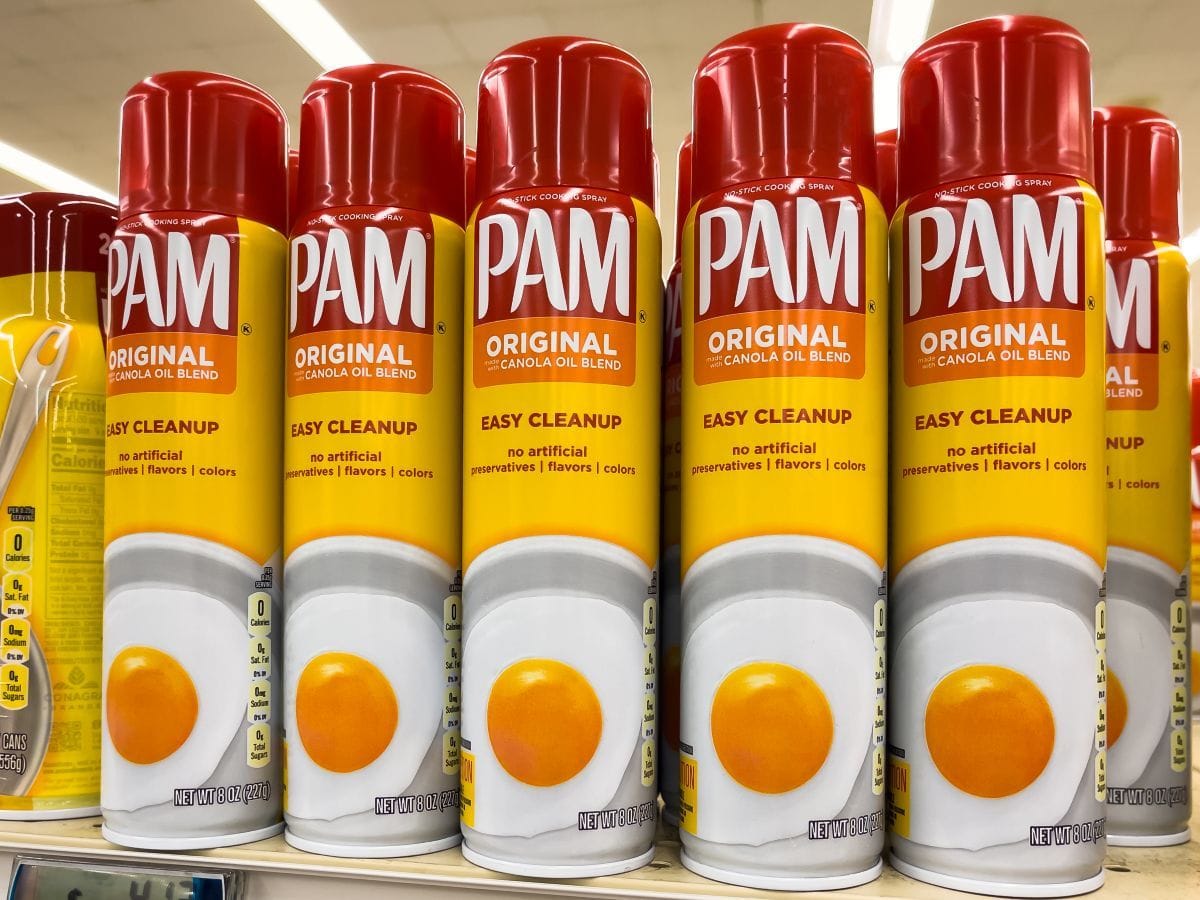
A Los Angeles Superior Court jury returned a unanimous $25 million verdict for Roland Esparza in a product-liability case alleging that Conagra’s butter-flavored PAM cooking spray caused a severe and progressive lung injury. Esparza, who was previously healthy, alleged that routine household use of the aerosol cooking spray exposed him to diacetyl, a butter-flavoring chemical associated with serious respiratory disease, without adequate warnings about inhalation risks. According to public reporting and counsel statements, the verdict is being characterized as a record-setting consumer award in diacetyl-related litigation and as an early bellwether for additional claims involving aerosolized food ingredients and warning adequacy (see how experts can help identify a bellwether).
The Product and Warning Claims Against Conagra
The case centered on allegations that Conagra failed to adequately warn consumers that inhaling fumes from PAM cooking spray could pose a risk of serious lung injury—a type of issue often addressed by warnings experts. Diacetyl has been widely discussed in occupational health contexts due to reported links to bronchiolitis obliterans, sometimes referred to as “popcorn lung,” after clusters of disease were identified among workers exposed to butter-flavoring vapors. Here, the plaintiff’s theory, as described in coverage of the verdict, extended that risk framework into the consumer setting by focusing on repeated inhalation during ordinary kitchen use of an aerosolized product.
Plaintiff-side descriptions of the case also emphasized marketing themes relevant to consumer reliance and risk perception. PAM was described as being promoted as a “fat-free” cooking aid and positioned as a healthier alternative, which the plaintiff alleged contributed to his belief that regular use in meal preparation was safe. Within that framing, the adequacy of warnings—both as to the presence of diacetyl and the potential for inhalation exposure—appeared to be central to the liability finding. The jury’s determination indicates it credited the plaintiff’s position that the risk was foreseeable and that consumers lacked sufficient notice to mitigate exposure.
Medical Causation and the Claimed Injury
Esparza, described as 58 years old, was reportedly diagnosed with bronchiolitis obliterans, a rare, chronic lung disease that can cause irreversible airway obstruction—an injury profile typically evaluated by pulmonology experts. Public reporting indicated his condition is severe enough that he has been placed on a waiting list for a double lung transplant. The claim attributed disease onset to long-term, frequent use of PAM cooking spray beginning in the 1990s, with allegations that the product was used multiple times per day over years in a home environment.
In consumer toxic-exposure cases, causation frequently turns on whether the plaintiff can tie a specific exposure route to a recognized injury pattern while addressing alternative causes (see expert strategies for establishing causation in tort cases). The publicly described evidence focused on diacetyl exposure through inhalation of aerosolized cooking fumes, and on the contention that such exposure can, under certain conditions, lead to bronchiolitis obliterans. While the trial record is not fully detailed in the available summaries, the verdict reflects that the jury accepted the causal narrative presented and concluded Conagra’s conduct, including warning practices, was a legal cause of the injuries claimed.
The Verdict, Post-Trial Posture, and Broader Implications
The jury awarded $25 million in damages, and the plaintiff’s counsel characterized the result as the largest consumer verdict in a diacetyl lung injury case. In a statement attributed to plaintiff’s attorneys Jacob Plattenberger and Alan Holcomb, they said, “This unanimous $25 million verdict delivers long-overdue justice to Roland Esparza, once a highly active individual who now faces a double lung transplant after Conagra deceptively marketed their PAM cooking spray as safe.” The plaintiff’s team also portrayed the outcome as a first-of-its-kind consumer case against Conagra tied to diacetyl exposure from a household cooking spray, contrasting it with earlier diacetyl litigation more commonly associated with workplace exposure.
Conagra’s anticipated next steps were also described in public reporting. Conagra has stated it disagrees with the outcome and intends to pursue post-trial and appellate remedies. A key disputed factual issue described by plaintiff-side statements is Conagra’s position that diacetyl was removed from PAM in 2009, with the plaintiff contending Conagra did not substantiate that claim to the jury’s satisfaction. Beyond the immediate parties, the verdict signals heightened scrutiny for manufacturers of aerosolized food products where ingredients associated with inhalation risks may require clearer consumer warnings.
Case Details
Case Name: Esparza v. Conagra
Court Name: Los Angeles Superior Court
Plaintiff Attorney(s): TorHoerman Law, The Law Offices of Scott Hall