California Court Vacates $13.8M Auto Verdict Over Surprise Expert
An appellate panel finds late-disclosed medical testimony unfairly influenced a multimillion-dollar jury award.
Published on
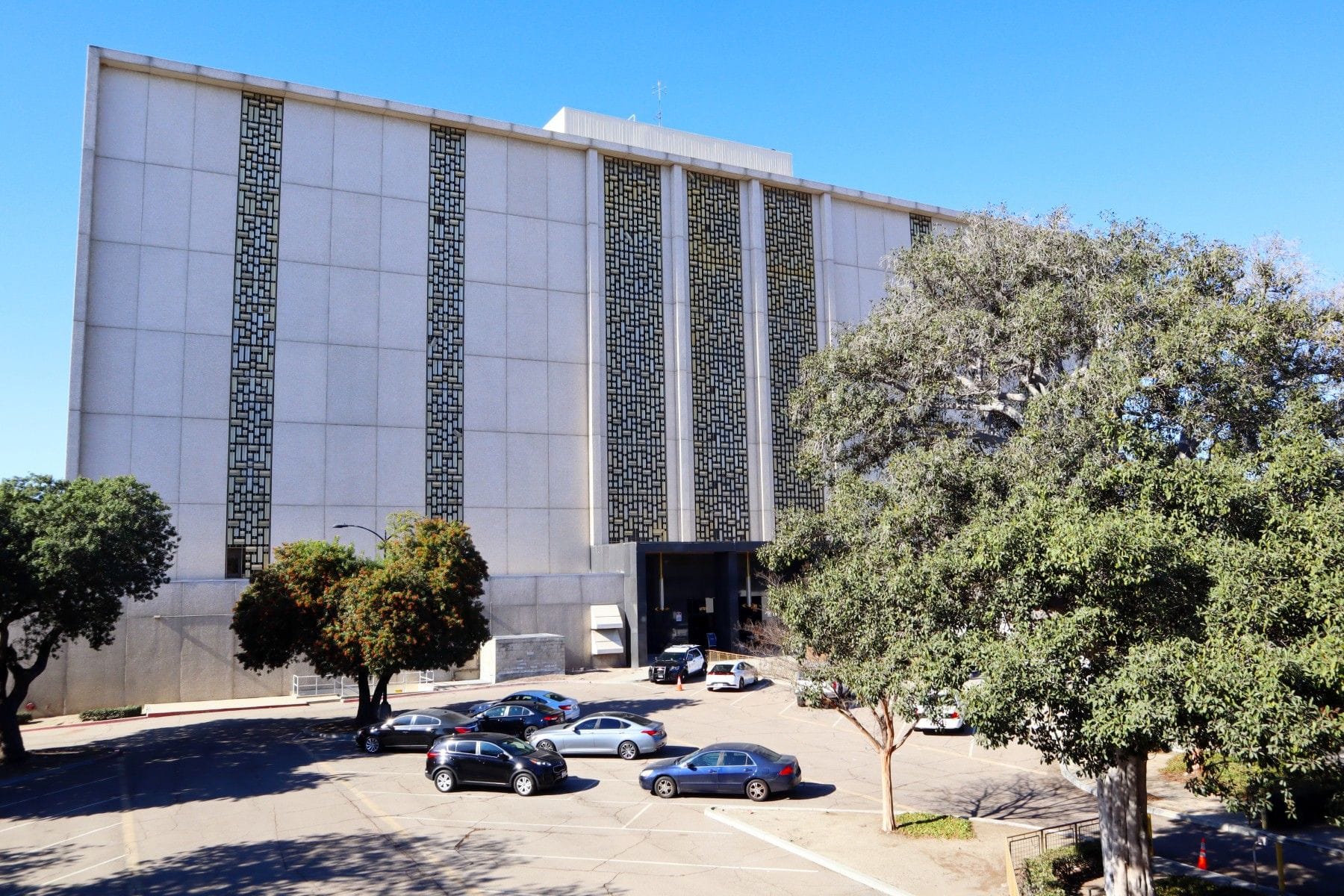
A California appellate court has ordered a new trial after concluding that a trial judge improperly allowed a late-disclosed medical expert to testify, creating unfair surprise and undermining the integrity of the proceedings. In a published opinion, the Court of Appeal for the Second Appellate District held that the admission of the testimony likely influenced the jury’s damages analysis and constituted an abuse of discretion.
The ruling centers not on the merits of the underlying injury claims, but on procedural safeguards governing expert disclosure. The panel emphasized that California’s discovery rules are designed to prevent trial by ambush and ensure that both sides have a meaningful opportunity to prepare and present their cases.
Events Leading to the Surprise Disclosure
The litigation stemmed from a low-speed collision between a motorist and a motorcyclist, plaintiff Iain Paruig Fancourt McDonald. As the case approached trial, McDonald’s claimed injuries included damage to his hip, leg, and foot. For most of the pretrial period, his medical treatment and anticipated care were framed within those parameters.
Approximately nine days before trial, however, McDonald sought an evaluation from a new physician, Dr. Toorag Gravori. The physician had not previously been disclosed as a treating or expert witness. Following the examination, Dr. Gravori prepared a report recommending spinal surgery, introducing a new and significantly more invasive category of medical treatment into the case.
Two days later, on a late Friday afternoon shortly before trial, plaintiff’s counsel emailed the report to defense counsel. By that point, expert discovery deadlines had passed, and trial preparation was largely complete. The defense objected, arguing that the disclosure deprived it of adequate time to investigate the physician’s opinions, retain rebuttal experts, or prepare for cross-examination.
Trial Court’s Handling of the Expert Testimony
Despite the defense objections, the trial court permitted Dr. Gravori to testify. As a remedial measure, the court ordered that the defense be allowed to depose the physician during trial, with the costs borne by the plaintiff. The court then allowed the jury to hear testimony regarding the potential need for spinal surgery and associated future costs, which Dr. Gravori estimated could reach approximately $280,000.
On appeal, the propriety of this decision became the central issue. The appellate panel was tasked with determining whether the midtrial deposition sufficiently cured the prejudice created by the late disclosure, or whether allowing the testimony at all exceeded the trial court’s discretionary authority.
Why a New Trial Was Required
The appellate court concluded that there was no reasonable justification for delaying disclosure of Dr. Gravori’s opinions until the eve of trial. The physician’s examination was not prompted by newly discovered evidence or an unforeseen medical development that could not have been addressed earlier through ordinary discovery.
Because the testimony introduced the prospect of expensive and invasive spinal surgery, the panel found it probable that the jury’s damages analysis was affected. While the court did not reweigh the evidence or make findings about the plaintiff’s injuries, it determined that the procedural irregularity was sufficiently prejudicial to warrant vacating the verdict in its entirety.
The opinion emphasized that remedial steps such as midtrial depositions may be inadequate when the substance of the testimony carries substantial weight and the opposing party is forced to respond under extreme time pressure.
Implications for Civil Trial Practice
The decision serves as a clear warning regarding the risks of late expert disclosure in California civil litigation. By publishing the opinion, the Court of Appeal signaled that adherence to expert designation and discovery timelines is not a mere technicality, but a fundamental component of fair trial practice.
For trial courts, the ruling reinforces the obligation to enforce disclosure rules strictly and to deny admission of surprise expert testimony absent compelling justification. For litigants, it highlights that strategic advantages gained through late disclosures may ultimately jeopardize verdicts on appeal, regardless of the jury’s findings.