A federal jury in Phoenix returned a complete defense verdict for C.R. Bard and Becton Dickinson in Lattanzio v. Becton Dickinson, the third bellwether trial in MDL No. 3081. McCarter & English, LLP served as co-lead trial counsel for the defense. The case was the second infection claim to reach a jury in the litigation, and like the first, it ended without an award for the plaintiff. Bard has now prevailed in two of the three bellwether trials held in the District of Arizona. The only plaintiff verdict remains the $40 million compensatory award in Divelbliss, a catheter-fracture case decided in September 2026.
Infection Claims Over a 2013 Implant
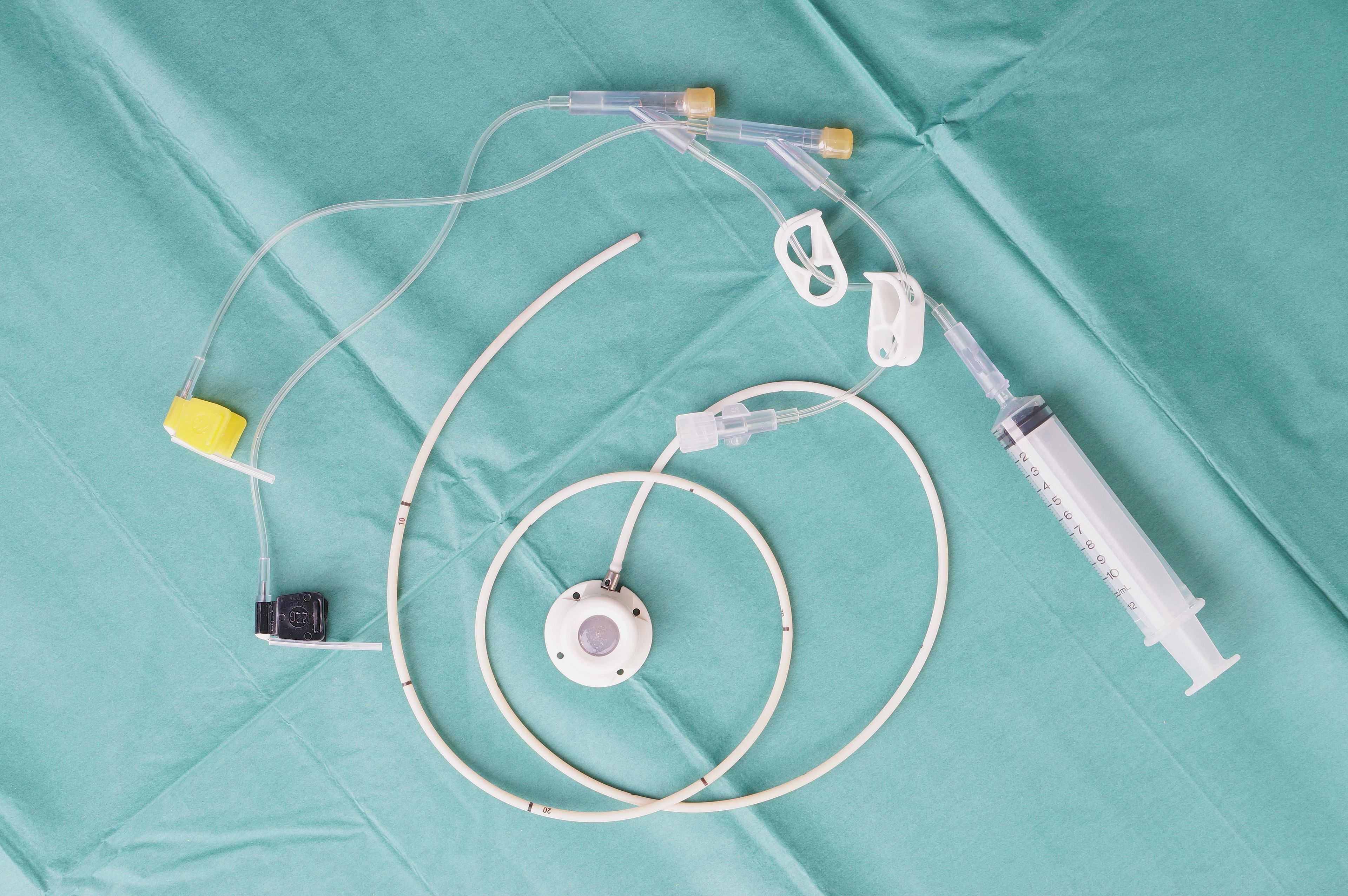
Plaintiff May Lattanzio of Florida received her Bard PowerPort in August 2013. A PowerPort is a totally implanted venous access device, a small reservoir placed under the skin of the chest or arm and connected to a catheter threaded into a central vein, used for long courses of chemotherapy, antibiotics, or nutrition. Lattanzio alleged that the PowerPort’s silicone catheter had a rough, hydrophobic surface that could promote bacterial colonization, and that Bard should have used an antimicrobial coating or other non-fouling technology.
Her claims, as narrowed before trial, were design defect, failure to warn, misrepresentation and concealment, and punitive damages. The case, No. 2:24-cv-00680, is a member case of In re Bard Implanted Port Catheter Products Liability Litigation, which the Judicial Panel on Multidistrict Litigation centralized before U.S. District Judge David G. Campbell in August 2023. Because the devices were cleared through the FDA's 510(k) pathway, the express preemption bar that protects premarket-approved devices does not foreclose design and warning claims. Bard's defense was reported to rest on alternative causation, pointing to implantation technique, catheter care and access practices, and the plaintiff's medical history as possible sources of the infection.
Summary Judgment and a Bifurcated Trial
Judge Campbell denied Bard's motion for summary judgment on September 25, 2026. The order held that the warnings could not be found adequate as a matter of law, noting that the instructions for use did not specifically address the bloodstream infection Lattanzio alleged, and it sent disputed questions on warning adequacy, design defect, misrepresentation and concealment, and punitive damages to trial. The court also found sufficient evidence to submit the punitive claim to a jury under Florida law and rejected Bard's argument that the claims were barred by Florida's four-year limitations period for product liability actions.
By agreement, the trial was bifurcated. Jurors would decide liability and compensatory damages first and would hear a separate punitive phase only after a plaintiff's verdict. A case management order set the trial for an October 13 to October 30 window, and the jury returned its verdict on the final day. No compensatory damages were awarded, and the punitive phase never opened. The verdict form and any claim-by-claim findings have not been reported.
Bellwether Results Divide by Injury Type
The first bellwether, Cook v. Becton Dickinson, also involved a port infection. In May 2026, that jury found for Bard on failure to warn, failure to instruct, and consumer fraud, but it deadlocked on design defect. The second trial, Divelbliss v. Becton Dickinson, involved a catheter fracture in which a fragment migrated to the plaintiff's heart. On September 4, 2026, that jury awarded $40 million in compensatory damages on design defect and failure to warn while rejecting manufacturing defect, fraudulent concealment, and punitive damages. Judgment was entered on September 10.
The results split along the injury line, with a plaintiff verdict in the fracture case and defense results in both infection cases. No jury in MDL 3081 has found fraud or concealment, and none has awarded punitive damages. Infection claims carry a specific causation burden that fracture claims do not, because the plaintiff must show that the device surface, rather than skin flora introduced at access, catheter handling, or the patient's immune status, caused the infection. The learned intermediary doctrine adds a further hurdle, since a warning claim is measured against what the implanting physician already knew about a disclosed and widely understood risk.
Post-Trial Motions and the Remaining Schedule
Bard moved for a new trial in Divelbliss on October 8, 2026, arguing that plaintiff's counsel improperly used expert compensation to obtain an excessive award. The plaintiff in Cook has a pending new-trial motion of her own, challenging the jury instructions on design defect, warnings, and superseding cause and arguing that jurors were pressured by the trial's scheduled end date. No ruling on either motion has been reported, and a new trial in Divelbliss would leave the plaintiffs without an intact verdict.
The docket continues to grow. The Judicial Panel on Multidistrict Litigation's October 1, 2026 report listed 4,140 pending actions out of 4,420 filed, roughly 400 more than the September report. The fourth bellwether, Hicks, reported as a thrombosis case, is set for December 1 to December 18, 2026, and the fifth, Sorensen, is set for February 2 to February 19, 2027. The JPML’s November 2 report listed 4,345 pending actions out of 4,636 filed. On November 17, the court set February 28, 2027, as the cutoff for new direct filings and directed the parties to attempt settlement negotiations through September 1, 2027. The order establishes a negotiation schedule; it does not announce a settlement.