Accident reconstruction can be central to liability disputes when the available facts are incomplete, contested, or technically complex. In those cases, the issue is not simply what happened, but what can be shown through physical evidence, vehicle data, and reliable analysis. A qualified accident reconstruction expert helps attorneys turn that record into a defensible account of causation.
What accident reconstruction experts actually determine
An accident reconstruction expert does not decide legal liability. That remains a question for the factfinder and, in many cases, is framed through applicable traffic laws and negligence standards. The expert’s role is narrower and more important: to develop technical opinions about how the crash occurred.
Those opinions often address:
- vehicle speeds before impact
- braking, steering, and evasive maneuvers
- lane position and direction of travel
- point of impact
- timing and sequence of events
- visibility and line-of-sight issues
- whether physical evidence is consistent with witness accounts
That distinction matters in litigation. A reconstructionist can explain causation and mechanics. Counsel then connects those findings to breach, comparative fault, and liability arguments.
When reconstruction becomes important to liability
Not every collision requires expert reconstruction. In straightforward rear-end crashes or low-dispute incidents, photographs, repair records, and testimony may be enough. Reconstruction becomes more valuable when fault turns on technical questions that ordinary witnesses cannot resolve reliably.
Common examples include:
- intersection collisions with competing right-of-way claims
- left-turn, lane-change, and merge crashes
- commercial vehicle and multi-vehicle collisions
- pedestrian and bicycle impacts
- crashes involving alleged speeding or late braking
- roadway design or visibility disputes
- fatal or catastrophic injury cases where liability exposure is significant
In these matters, reconstruction often shapes settlement posture well before trial. A strong technical analysis can narrow the dispute, while a weak or assumption-driven one can create problems in deposition and motion practice.
The evidence used to build a liability analysis
Accident reconstruction opinions are only as sound as the underlying evidence. The work usually begins with preserving and collecting the available record before vehicles are repaired, scenes change, or digital evidence is lost.
Scene evidence
Physical scene evidence remains foundational. Depending on the crash, the expert may analyze:
- skid, yaw, and scuff marks
- gouge marks and debris fields
- final rest positions
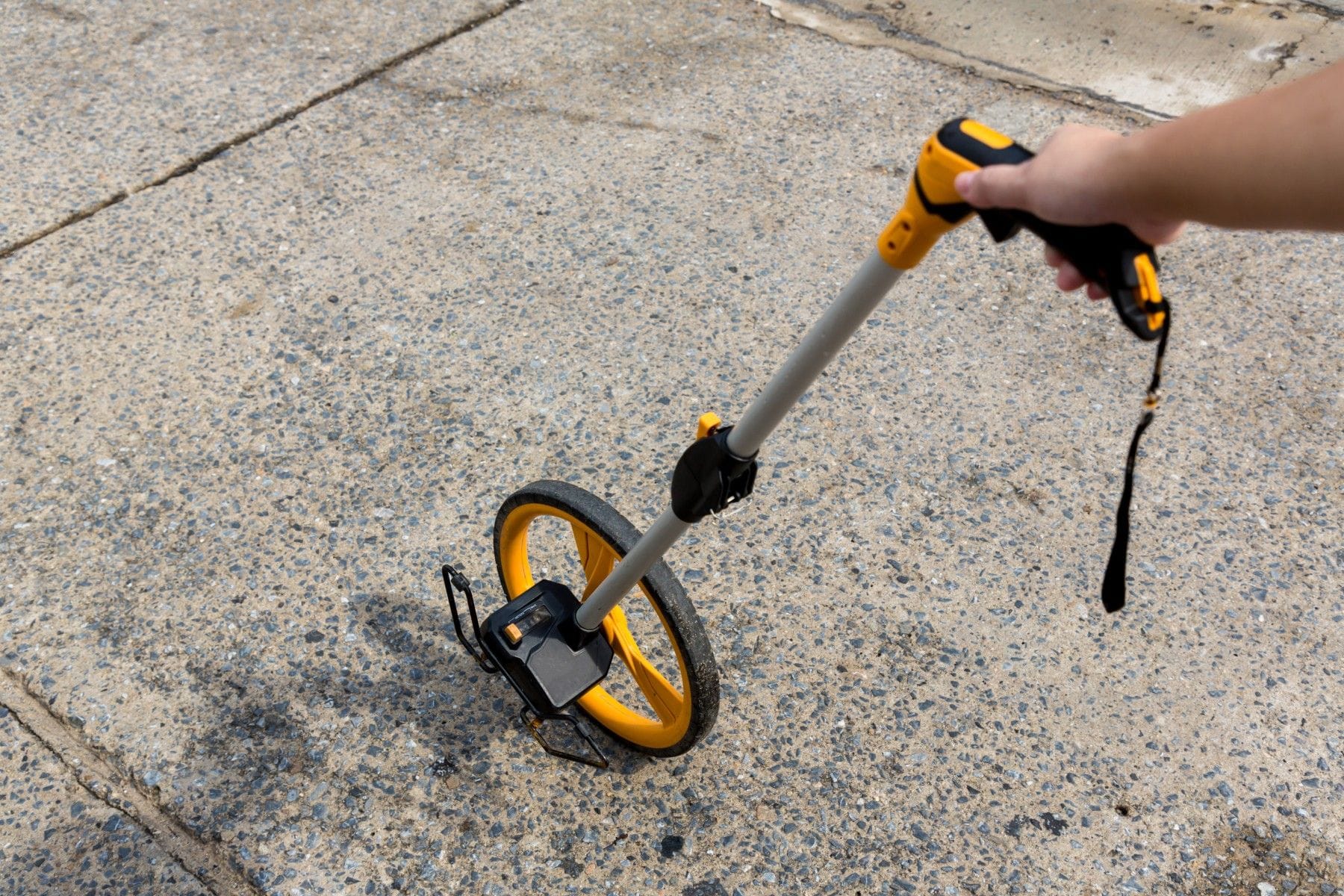
- roadway measurements and geometry
- traffic control devices and signage
- lighting, grade, weather, and surface conditions
These details help establish vehicle paths, braking behavior, and likely impact location.
Vehicle evidence
The vehicles themselves can reveal a great deal about crash mechanics. Experts may review crush damage, transfer patterns, restraint system deployment, tire condition, steering components, and other physical markers. Damage profiles can help test whether claimed impact angles and collision sequences are consistent with the physical record.
Digital evidence
Modern liability analysis increasingly depends on electronic data. This may include:
- event data recorder (EDR) downloads
- telematics and fleet data
- dashcam footage
- traffic or surveillance video
- GPS records
- cellphone data where timing or distraction is at issue
This evidence can be especially important because it may capture speed, braking inputs, throttle position, seat belt status, or pre-impact timing. It also creates early preservation issues. Video may be overwritten quickly, and vehicles may be salvaged before EDR data is secured.
How experts estimate speed, impact, and sequence
Reconstruction is grounded in physics, measurement, and testing of competing explanations. The precise methodology depends on the available evidence, but several recurring tools appear in liability cases.
Speed may be estimated from tire marks, crush damage, EDR data, video frame analysis, or momentum relationships in multi-vehicle impacts. Time-distance analysis can help determine whether a driver had sufficient time to perceive and respond to a hazard. In intersection cases, signal timing and approach speed may be critical. In commercial vehicle cases, experts may also compare driver statements against engine control data and braking records.
The strongest opinions do not rely on one data point in isolation. They reconcile physical evidence, digital records, vehicle damage, and witness testimony. When those sources conflict, the expert should identify the conflict rather than smooth it over.
From causation to fault allocation
Once the crash sequence is reconstructed, attorneys can use that technical framework to address liability. That may involve arguing that one driver failed to yield, exceeded a safe speed, followed too closely, or entered a hazard too late to avoid impact.
Reconstruction can also be important where fault is shared. In comparative negligence jurisdictions, the expert’s analysis may support a more precise allocation by showing that both drivers contributed through separate acts or omissions. For example, one driver may have violated the right-of-way while the other was traveling too fast to avoid the collision.
This is where scope discipline matters. Credible reconstruction experts explain what the evidence supports technically. They should avoid offering broad legal conclusions dressed up as engineering opinions.
What makes a reconstruction opinion credible
In high-exposure cases, reconstruction opinions are often challenged on reliability grounds. The usual attack points are familiar:
- missing measurements or incomplete scene data
- altered vehicles or roadway conditions
- unsupported assumptions
- selective use of witness statements
- overreliance on simulations without validated inputs
- opinions that extend beyond the expert’s discipline
A persuasive expert report is usually transparent about data sources, assumptions, and limitations. It explains why a method was used, what facts support the opinion, and where uncertainty remains. That kind of discipline matters both for admissibility challenges and for deposition resilience.
Professional background also matters. Depending on the case, attorneys may look for training in engineering, physics, human factors, commercial vehicle investigation, or specialized crash reconstruction certification. The right fit depends less on labels than on whether the expert’s experience matches the liability issues in dispute.
Early case strategy matters
In reconstruction cases, delay can narrow the evidence record. Vehicles are repaired or destroyed, onboard data is lost, and surveillance footage disappears. For attorneys evaluating a serious crash, early preservation decisions often matter as much as the later analysis.
That is one reason expert selection should happen early when liability is likely to turn on technical proof. A well-qualified reconstruction expert can help identify what needs to be preserved, what can be measured, and where the opposing theory is vulnerable. In the right case, expert witness vetting and early case analysis can also help counsel avoid committing to a reconstruction theory that will not hold up under scrutiny.
Accident reconstruction does not replace legal analysis. It gives that analysis a technical foundation. Where liability depends on speed, timing, visibility, or impact mechanics, that foundation may be what makes the case provable. Accident reconstruction can also intersect with newer forms of digital proof, including collision data recorders, when those sources help clarify what happened before impact.