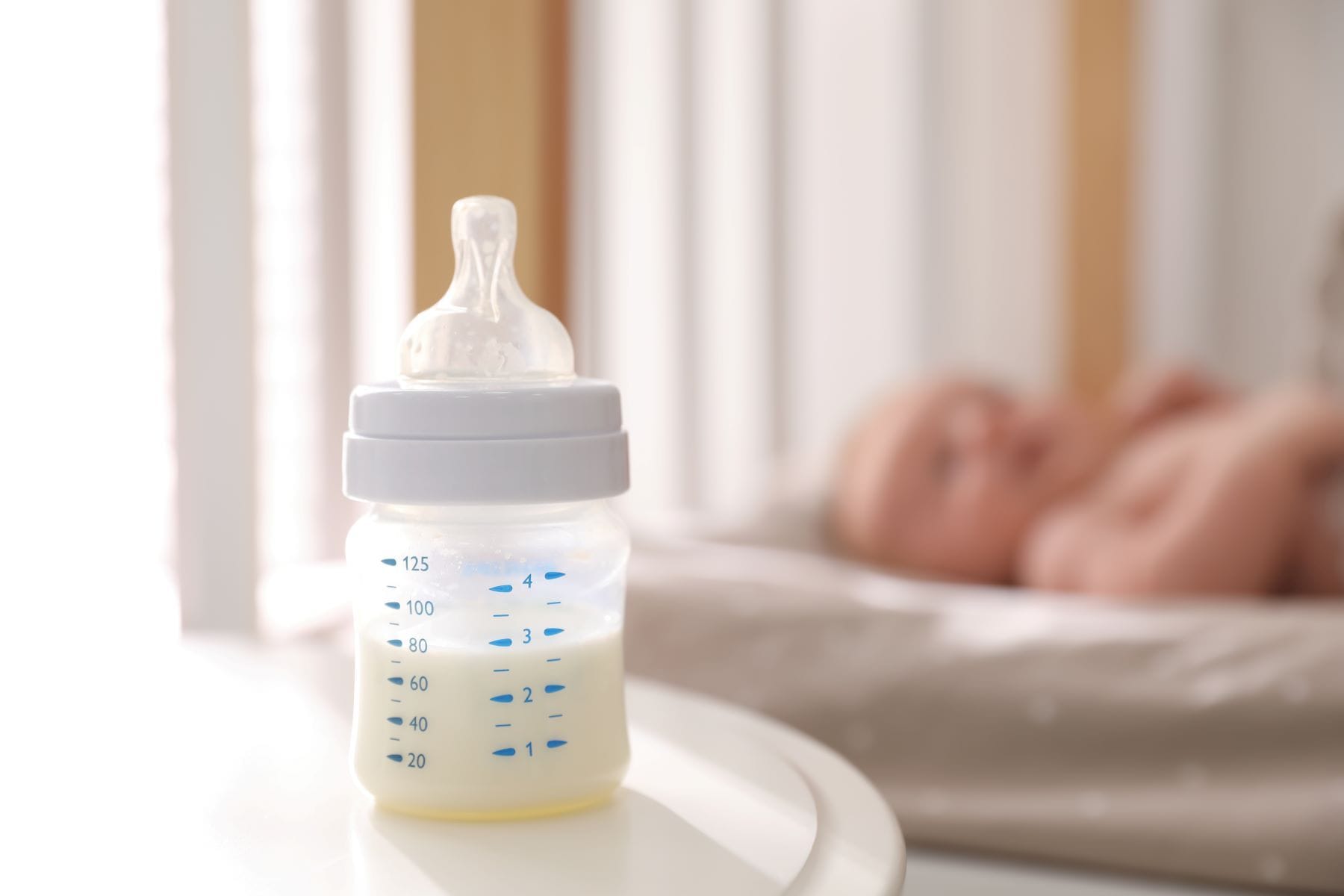
Illinois jurors in Cook County have added $17 million in punitive damages to a $53 million compensatory verdict awarded to four mothers who alleged Abbott Laboratories’ preterm infant formula contributed to their babies developing necrotizing enterocolitis (NEC), a severe gastrointestinal condition that can be fatal and often carries lasting complications. The verdict followed a multiweek trial focused on whether Abbott’s Similac Special Care 24, a cow’s milk-based formula used in neonatal settings, carried risks that should have been disclosed to parents and clinicians. Abbott disputed causation and argued the infants’ prematurity and extremely low birthweights were primary risk factors, setting up a dispute over science, warnings, and corporate knowledge.
The Jury’s Compensatory Verdict and Allocation of Damages
The jury returned $53 million in compensatory damages after finding for the plaintiffs on negligence, failure to warn, and product defect claims brought by Antonia Mendez, Eboni Williams, Casie Thompson, and Kara Sharpe on behalf of their minor children. The awards were allocated as $15 million to Mendez, $15 million to Williams, $7 million to Thompson, and $16 million to Sharpe. According to the claims, each infant was diagnosed with NEC shortly after being fed Similac Special Care 24 while premature, and the families contended they would not have agreed to the feeding decisions had they been adequately warned of the asserted NEC risk associated with cow’s milk-based formula in preterm infants.
Although all four children survived, the evidence emphasized the severity of their courses and continuing impacts. Three of the infants required bowel surgery within weeks of birth, and the plaintiffs attributed long-term side effects to NEC and its treatment. The compensatory verdict reflected the jury’s acceptance of the plaintiffs’ theory that Abbott’s conduct and the product’s warnings and design were legally sufficient causes of injury despite the presence of known baseline risks in extremely premature neonates.
Punitive Damages and the Court’s Rationale for Allowing the Claim
After the compensatory verdict, Cook County Circuit Judge John Ehrlich permitted the plaintiffs to seek punitive damages, and the jury later awarded an additional $17 million. The punitive phase followed approximately an hour of argument, and the jury deliberated for roughly two hours before issuing its decision. In allowing the punitive claim to go forward, the court indicated there was evidence from which a jury could conclude Abbott concealed or withheld information about illness risk associated with its formula from the public and regulators, a finding that, if credited, can support punishment and deterrence beyond compensation.
The court also addressed testimony introduced during trial that touched on patient counseling and disclosure. Judge Ehrlich criticized statements attributed to Abbott’s neonatal physician witness, Dr. Jill Maron, regarding whether discussing NEC risk with mothers would be “cruel,” reasoning that clinicians routinely communicate difficult risks as part of informed decision-making and rejecting a rationale the court characterized as relying on stereotyped assumptions about women’s capacity to receive challenging information. While the punitive award will likely be tested on post-trial motions and appeal, the court’s comments illustrate how trial judges may evaluate disclosure practices and corporate messaging when juries are asked to decide whether conduct warrants punitive relief.
Liability Themes, Appellate Posture, and Broader NEC Formula Litigation
Abbott denied that its formula is unsafe and contested both general and specific causation, maintaining that cow’s milk-based formula does not cause NEC and that breast milk is protective. It argued that the infants’ prematurity and extremely low birthweights were central drivers of NEC risk. In a company statement, Abbott said it disagreed with the verdict and would appeal, pointing to instances in which other courts have dismissed similar claims and emphasizing its position that regulators and medical organizations recognize the products as safe and necessary. The plaintiffs, represented in part by Keller Postman LLC, maintained that internal knowledge and the failure to provide adequate warnings supported the jury’s findings and the punitive award.
The Cook County verdict is significant in the landscape of NEC infant formula litigation, where outcomes have varied across jurisdictions and procedural settings. Abbott and Mead Johnson face thousands of similar suits in state courts, and both are also litigating related federal claims in multidistrict litigation, where Abbott has obtained several bellwether wins, including a recent ruling crediting feasibility challenges to a proposed human-milk-based alternative. Elsewhere, state-court trials have produced both high plaintiff verdicts and defense outcomes, including a later-vacated defense verdict in a joint Abbott-Mead trial where a court ordered a new trial based on findings that inadmissible evidence was repeatedly introduced. Taken together, the Illinois punitive award underscores how warning adequacy, corporate knowledge, and trial management decisions can materially influence exposure in high-stakes product liability disputes.