A Colorado jury awarded $65 million in a wrongful death case arising from a Northern Colorado crash that killed Megan Arneson, a single mother, after concrete fell onto Interstate 25 when an excavator being towed struck an overpass. The incident occurred as Arneson and her son were returning from Water World, a trip she had planned as a back-to-school surprise. The lawsuit was brought by Arneson’s parents against the truck driver and the driver’s employer, focusing on how the excavator was transported and whether basic safety measures and training requirements were met. The verdict, delivered roughly four years after Arneson’s death, established civil liability for both defendants.
Crash Allegations and the I-25 Overpass Impact
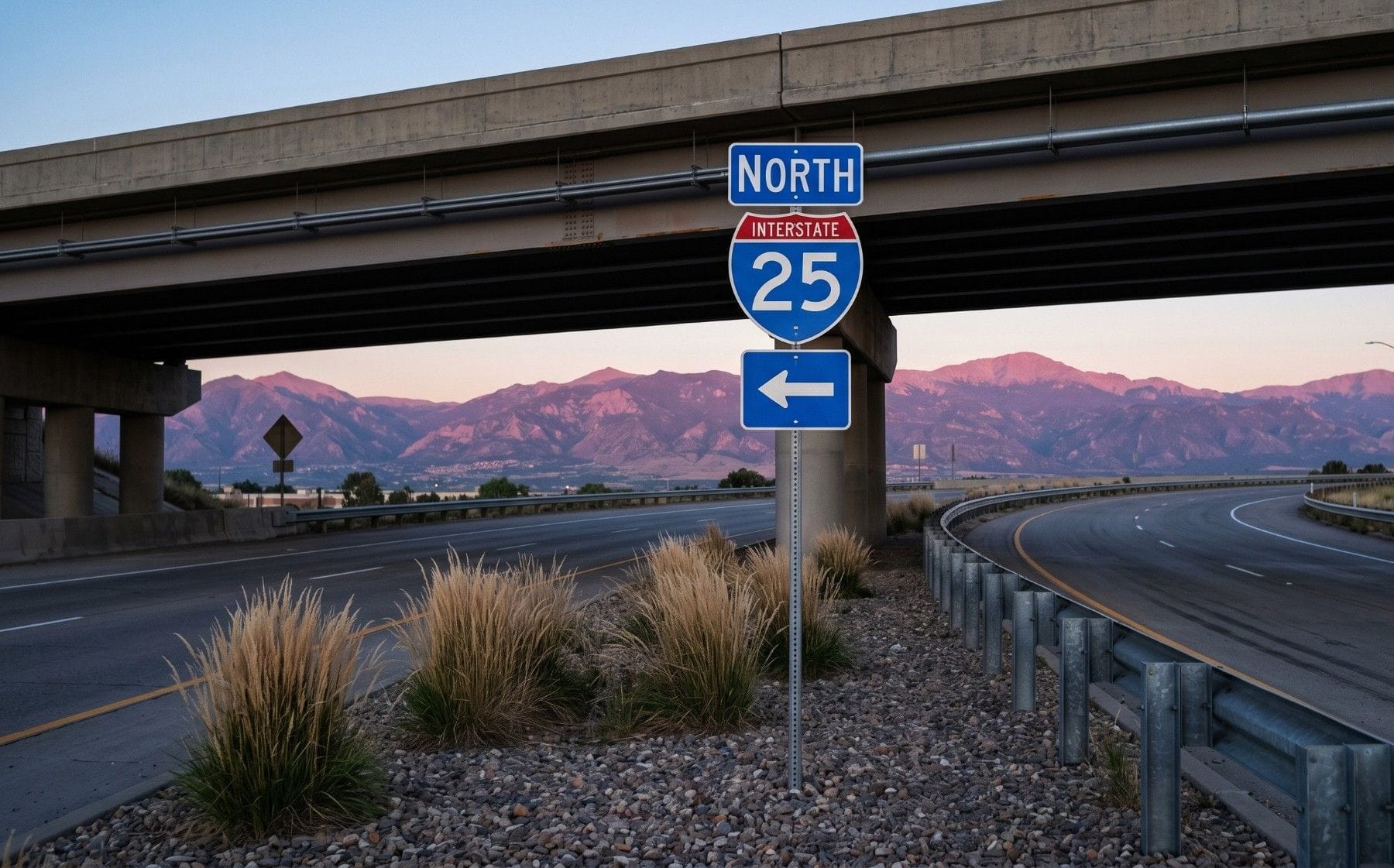
Court filings and trial presentations centered on a sequence that began with a truck towing an excavator traveling on I-25 and culminated in the excavator striking an overpass in front of Arneson’s vehicle. The plaintiffs contended the excavator was improperly loaded, with its boom or arm positioned essentially upright, which reduced clearance and led to contact with the bridge structure. That impact allegedly dislodged a chunk of cement from the overpass, which then fell onto the roadway and fatally struck Arneson. The crash was described as occurring as she and her son drove home from the water park.
The case was litigated as a wrongful death lawsuit against both the driver of the truck and the driver’s employer, reflecting a theory that responsibility extended beyond the person behind the wheel to the company that employed him. The record described Arneson as a single mother whose death left her son, who was 10 at the time, and her parents facing a sudden loss. The family’s statements after trial indicated they viewed the litigation as tied not only to compensation, but also to safety concerns and prevention of similar incidents.
Litigation Strategy and Focus on CDL Timing and Training
At trial, the plaintiffs emphasized the driver’s qualifications and preparation to handle the load involved in towing an excavator. According to statements made during the case, the driver had obtained an unrestricted commercial driver’s license only four days before the crash. The plaintiffs argued that timing supported an inference that the driver had not been properly or sufficiently trained for the work performed, and they asserted that the employer bore responsibility for ensuring adequate training and safe practices before dispatching a driver with such a load.
Arneson’s parents were represented by Dulin McQuinn Young, LLP, with founding partner Kari Jones Dulin identified as counsel for the family. Trial representation also included Dan Caplis and John Kellner of The Dan Caplis Law Firm. The plaintiffs’ approach, as summarized in public statements, framed the crash as preventable and attributed causation to decisions about how the excavator was loaded and whether the driver and company exercised appropriate care in transport. The liability findings ultimately reflected the jury’s acceptance of a shared-responsibility theory spanning both individual and corporate defendants.
Verdict and Post-Trial Implications for Wrongful Death Claims
The jury found the driver and his employer liable and awarded Arneson’s family $65 million. The award followed a civil trial in which the plaintiffs sought damages tied to the death of a mother and the resulting impact on her immediate family. Arneson’s son, who was 10 at the time of the crash, was described as now being in his teens, underscoring the passage of time between the incident and the jury’s decision. Public statements from the family after the verdict indicated they believed justice was served.
Although the award is substantial, the family’s public comments emphasized that a monetary verdict cannot reverse the loss. In practical terms, the outcome highlights how juries may evaluate responsibility in cases involving oversized or improperly positioned equipment and the chain of decisions that can precede a catastrophic roadway event. The case also illustrates that wrongful death litigation may target both the driver’s conduct and the employer’s role in training and operational oversight, particularly where a plaintiff contends a crash resulted from preventable loading and transport practices.
Safety Oversight Takeaways for Heavy Equipment Transport
The factual disputes in the case turned on load configuration, clearance, and the operational choices that preceded the overpass strike. The plaintiffs asserted that the excavator’s positioning allowed its arm to exceed safe clearance, and that the resulting bridge contact caused the concrete that killed Arneson. By placing those issues at the center of the claims, the litigation framed heavy equipment transport as a process requiring advance checks and competent execution, not merely routine towing.
The verdict also reinforced the exposure that can follow when plaintiffs argue inadequate driver preparation and company oversight, particularly when a driver is newly licensed or newly assigned to certain work. Here, the plaintiffs stressed the proximity between the driver’s receipt of an unrestricted CDL and the fatal crash, then linked that fact to broader contentions about insufficient training and employer responsibility. Beyond damages, the family stated that the lawsuit was intended to make the community safer, signaling that civil cases of this type can function as a mechanism for accountability where equipment transport allegedly deviates from basic safety expectations.