$3.77M Verdict in West Virginia ER Malpractice Case
A West Virginia jury found an ER physician and physician assistant negligent and awarded $3.77 million for delayed abdominal care causing permanent injury.
Published on
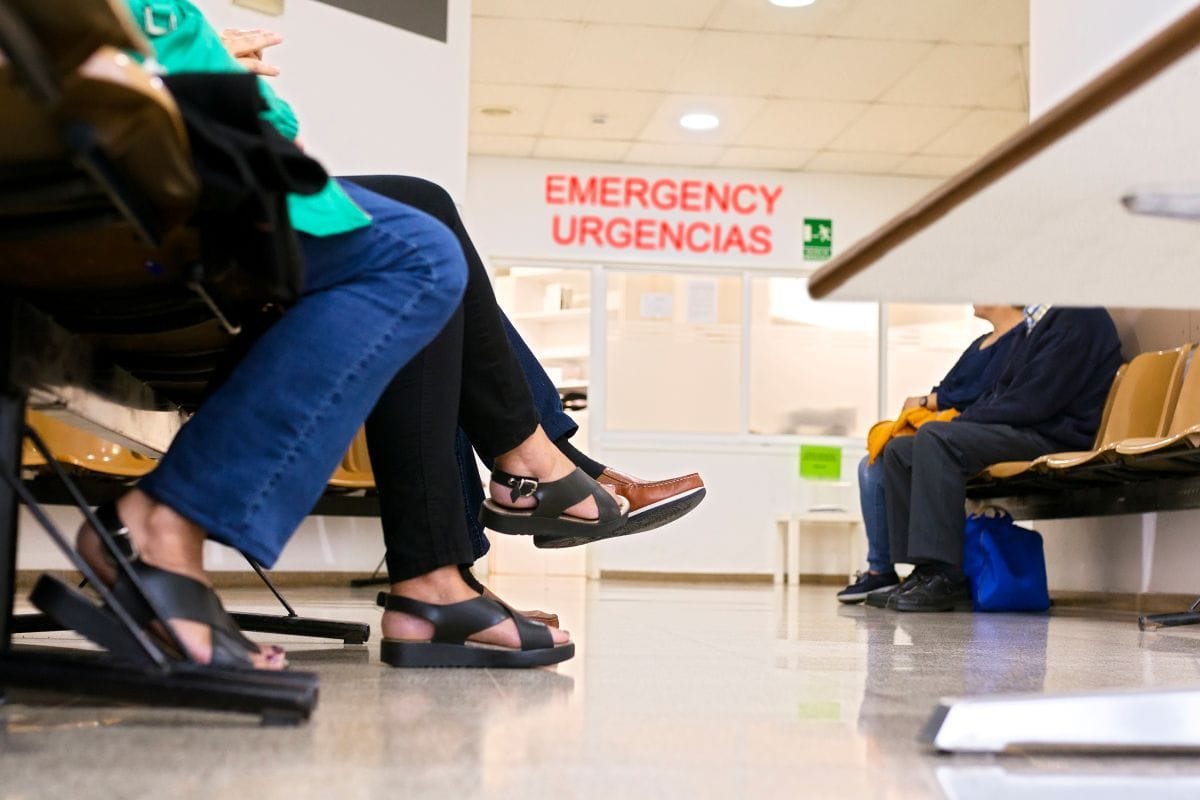
An Ohio County jury awarded $3.77 million to 64-year-old Julie Daley in a medical malpractice case arising from her June 2022 emergency room visit at WVU Medicine Wheeling Hospital. After a four-day trial, jurors found that Dr. Barry Mitchell and physician’s assistant Michelle Porembka were negligent in their treatment of Daley after she presented with abdominal complaints. The verdict reflects findings that both providers fell below the applicable standard of care and that their conduct proximately caused Daley’s injuries. The case centers on allegations of delayed and improper treatment that, according to the jury’s findings, culminated in severe gastrointestinal injury and permanent, life-altering consequences.
The Emergency Room Presentation and Alleged Lapses in Care
The claims focused on care delivered when Daley sought emergency evaluation for abdominal symptoms at WVU Medicine Wheeling Hospital in June 2022. According to the case presentation at trial, the clinical course involved a failure to timely and properly diagnose and treat the underlying condition responsible for her abdominal complaints. The jury ultimately concluded that the actions and omissions of both Mitchell and Porembka departed from the standard of care expected of medical providers practicing in their respective roles, and that those deviations were not merely technical but clinically consequential.
Causation was a central issue resolved in Daley’s favor. The jury found that the negligent care proximately caused injuries and damages, with the asserted delay contributing to the progression of her condition. The injury sequence described in the case included a perforated colon with necrosis, leading to surgical intervention and a permanent colostomy. In medical negligence litigation, these findings typically turn on whether earlier intervention would have altered the outcome and whether the harm was a foreseeable result of the providers’ conduct; here, the verdict indicates the jury accepted Daley’s theory that timely and appropriate treatment would have prevented or mitigated the catastrophic complications.
Trial Findings, Liability Allocation, and Damages
The trial concluded with a verdict holding both the physician and the physician’s assistant liable. The jury’s findings that each provider was negligent underscores that liability can attach to multiple members of an emergency department care team when their independent clinical decisions and documentation form a combined treatment record. The verdict also reflects a determination that both providers’ conduct was a substantial factor in producing the injury, rather than attributing the harm to unavoidable disease progression or intervening causes.
The $3.77 million award indicates jurors credited evidence of significant damages tied to permanent bodily impairment and ongoing medical needs. A permanent colostomy commonly carries lifelong implications, including medical management, potential complications, and limitations on daily activities, which can support substantial noneconomic damages in addition to economic losses. While the specific breakdown of the award was not detailed, the verdict signals the jury’s view that the injury consequences were enduring and directly connected to the negligent care found. The case illustrates how emergency medicine claims often rise or fall on the timing of assessment, escalation, and treatment decisions, particularly in presentations involving abdominal pain where rapid clinical deterioration is a recognized risk.
Post-Verdict Statements and Broader Implications for Clinical Risk
Following the verdict, Daley’s counsel characterized the award as compensation for the long-term effects of the injuries. Tyler Smith said in a statement, “We are pleased that the jury recognized that this should not have happened to Julie Daley and that they compensated her for the life-long effects that she will have as a result of the negligence of the medical providers.” Plaintiff counsel Geoff Brown likewise emphasized that the litigation was pursued to obtain accountability for alleged wrongdoing and to secure relief for Daley and her family.
The defense was represented at trial by Mark Robinson and David Givens of Flaherty, Sensabaugh, and Bonasso, with Circuit Court Judge Jason Cuomo presiding. From a risk and compliance perspective, the verdict highlights the exposure that can follow alleged delays in evaluation and treatment in the emergency setting, where documentation, reassessment practices, and escalation pathways are frequently scrutinized. It also reflects how juries may assign responsibility across roles when care is collaborative but decisions are individualized, reinforcing the importance of clear clinical reasoning and timely response when abdominal complaints suggest the possibility of emergent gastrointestinal pathology.
Case Details
Case Name: Julie Daley v. Barry Mitchell, M.D., and Michelle Porembka, P.A.-C.
Court Name: Circuit Court of Ohio County, West Virginia
Plaintiff Attorney(s): Geoff Brown and Tyler Smith of Bordas & Bordas
Defense Attorney(s): Flaherty, Sensabaugh, and Bonasso