A Cook County jury has awarded $28 million to Teray Boyd in a medical malpractice case arising from her December 2023 labor and delivery at University of Illinois Hospital. Boyd alleged that five obstetrician-gynecologists failed to order a Cesarean section despite fetal monitoring and uterine contraction data that, in her view, indicated the need for surgical delivery. The jury returned its $28 million verdict on Thursday, November 5, 2026. Boyd alleged that clinicians failed to respond to warning signs during labor induction; her attorney said her son, Lenyx, suffered permanent brain damage and lifelong disabilities.
Monitoring Data and Labor-Induction Allegations
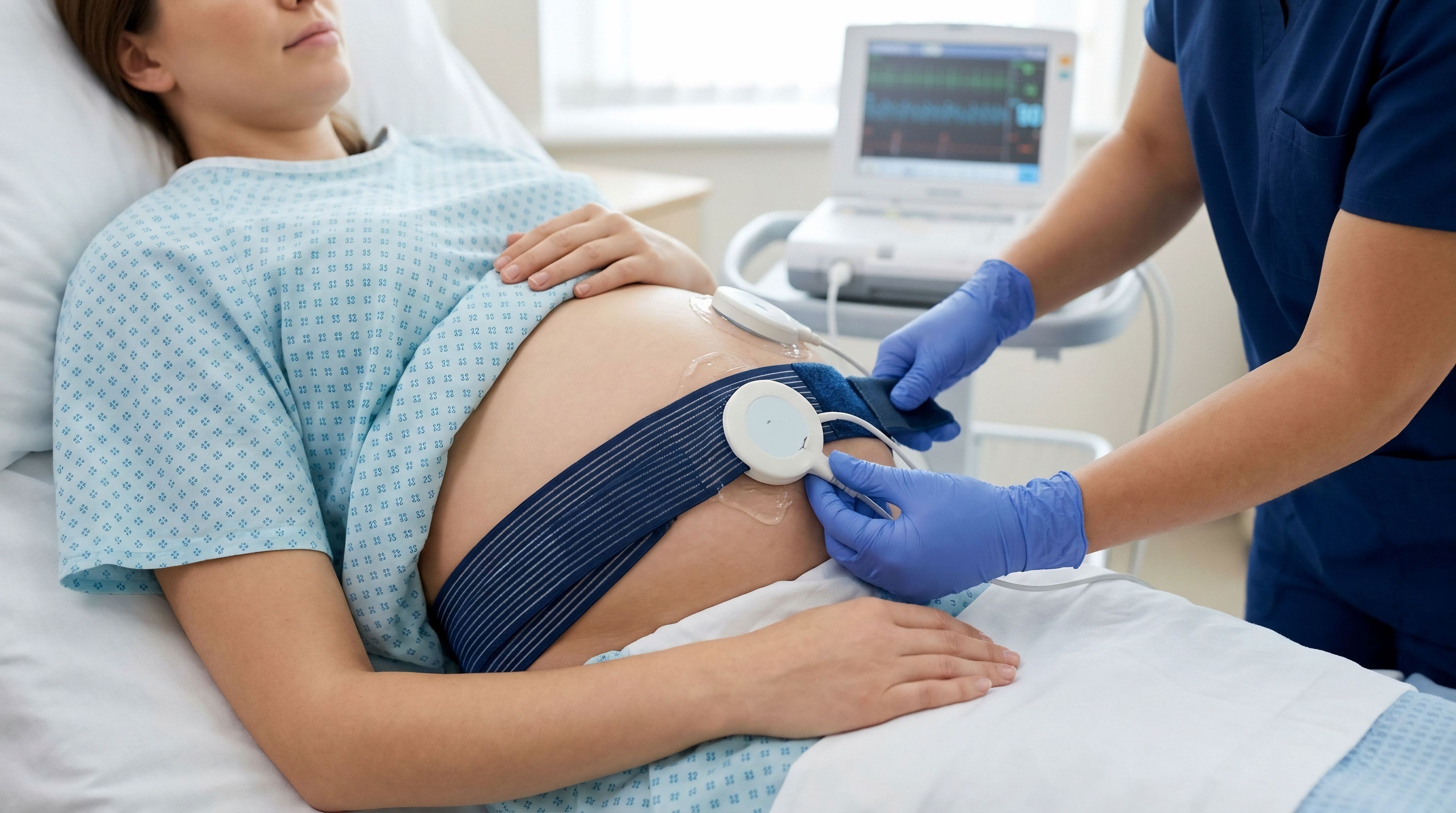
Boyd’s complaint alleged that she was admitted for labor induction in December 2023 and that, by the day after admission, fetal heart monitoring strips began showing decelerations and a lack of accelerations. The pleading described these findings as warning signs of labor intolerance and asserted they were present during a period when clinical decision-making should have accounted for fetal status and the progression of labor. The case framed these monitoring patterns as an escalating indicator that continued labor carried increased risk for the fetus.
In addition to fetal heart monitoring, Boyd alleged that her uterine contraction monitor reflected abnormal activity beginning the day after admission and that the abnormal conditions persisted through the labor process. According to the complaint, no physician ordered a C-section during this time. The lawsuit also alleged that clinicians continued administering Pitocin, a labor-inducing medication, despite the ongoing monitoring concerns, and that delivery occurred too long after her water was broken. Collectively, these allegations presented a theory that actionable departures from the standard of care occurred through missed or disregarded warning signs and continued attempts at vaginal delivery.
Trial Outcome and Damages Award
The Cook County jury returned a $28 million verdict in Boyd’s favor on Thursday. The lawsuit named five obstetrician-gynecologists as defendants, identified in the caption as Stephan Buiter et al., and the case was filed in the Circuit Court of Cook County, Illinois, under case number 2024-L-009090. The jury’s award followed claims that a C-section was not ordered despite fetal heart rate decelerations and irregular labor contractions documented during the induction process.
Boyd alleged that she ultimately delivered vaginally and that her son suffered injuries that, according to the complaint, have left him legally disabled since birth. While the public record described the outcome in terms of lifelong disability and ongoing caregiving, the reporting did not specify how the $28 million was allocated among categories of damages. In a post-verdict statement, Boyd’s counsel emphasized that the result was intended to provide resources and security for the family going forward, reflecting the case’s focus on long-term needs associated with the child’s condition.
Counsel, Parties, and Procedural Posture
Boyd was represented by Coplan + Crane, with Stephen Blecha, Ben Crane, Andrew Burkavage, and Caitlin Doermer listed as counsel for the family. Their presentation of the case, as reflected in the allegations and post-verdict statement, focused on the clinical timeline during induction, the interpretation of fetal monitoring and contraction data, and the asserted failure to transition to C-section delivery when warning signs emerged.
The defendants were represented by Swanson Martin & Bell LLP, with Elizabeth Bruer and Shannon Buckley identified as defense counsel. No defense response was reported following the verdict. The matter proceeded as Teray Boyd v. Stephan Buiter et al. in Cook County Circuit Court, and the jury’s decision marks a significant liability finding in a case centered on intrapartum monitoring, decision-making during labor induction, and the asserted consequences of delayed or foregone surgical delivery. The result underscores how labor-management allegations can translate into high-exposure outcomes when plaintiffs attribute permanent pediatric impairment to delivery-room decisions.