$182M Settlement in Metro-North Valhalla Train Crash
A $182 million-plus settlement resolved claims over a 2015 Metro-North train-SUV collision after a jury apportioned 71% fault to the railroad.
Published on
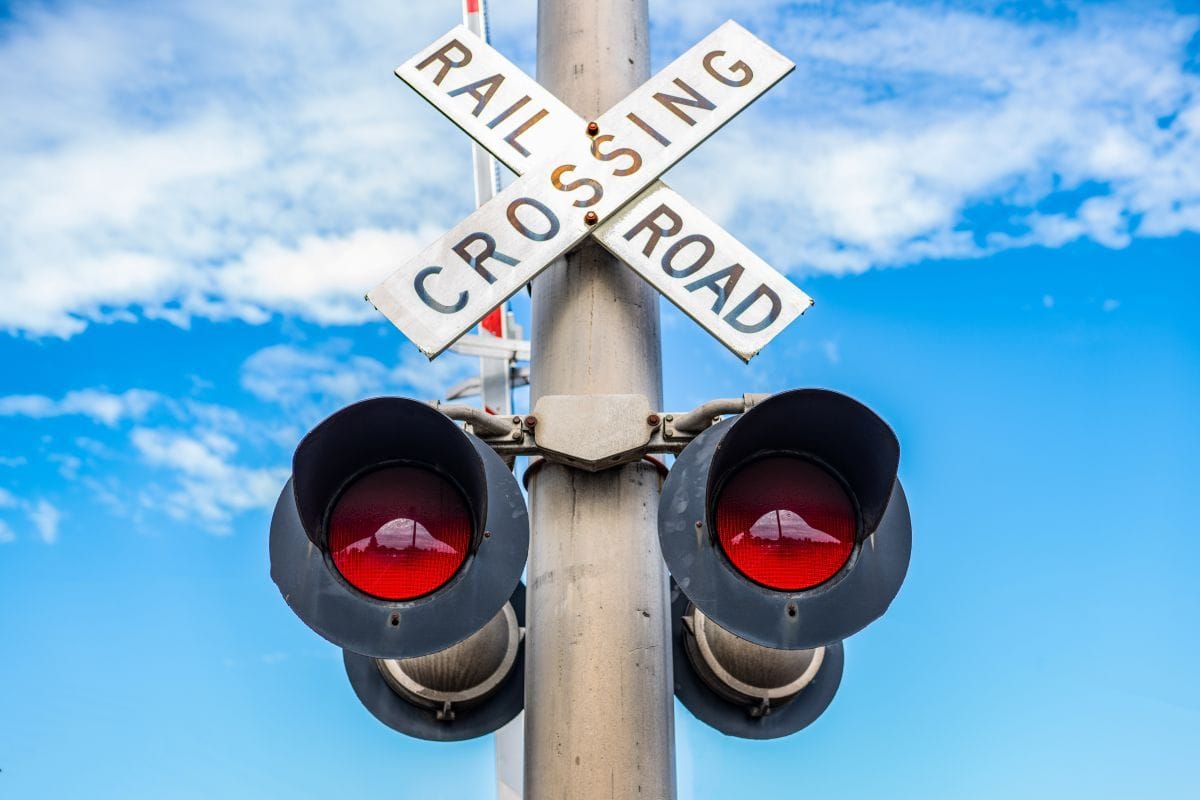
A global settlement exceeding $182 million has resolved claims arising from the February 3, 2015 collision between a Metro-North commuter train and an SUV at the Commerce Street crossing in Valhalla, Westchester County, NY. The resolution benefits the families of five passengers who were killed and dozens of riders who were injured in what has been described as the deadliest crash in Metro-North Railroad history. The litigation encompassed approximately 30 plaintiffs and proceeded through a coordinated trial strategy intended to produce consistent outcomes across related claims. While the aggregate settlement figure is public, individual settlement amounts were reported as confidential.
Liability Themes at Trial
The plaintiffs advanced a liability case centered on two alleged failures: operational decision-making in the moments before impact and the safety performance of the third rail system after the collision. According to accounts of the proceedings, plaintiffs emphasized that the engineer did not reduce speed despite perceived uncertainty at the crossing. This framing sought to establish not only causation for the collision dynamics but also foreseeability of escalating harm when operating at track speed in the face of an ambiguous hazard.
The record described at trial included evidence that the train was traveling about 50 miles per hour and that the emergency brake was applied roughly three seconds before impact—issues commonly analyzed by accident reconstruction experts in transportation cases. Testimony attributed to the engineer indicated he observed a reflection at or near the crossing and had doubt about what was on the tracks and what was obstructing the crossing, yet accelerated. The jury ultimately concluded that this conduct contributed to, and directly increased, the severity of the crash, supporting the plaintiffs’ contention that choices made immediately before impact materially affected outcomes for passengers.
Third Rail Design and the Mechanism of Catastrophic Injury
A second focal point involved the third rail system and whether its design performed as intended under crash forces. Plaintiffs presented evidence that the third rail was designed to break away upon impact to reduce the risk of intrusion and electrical hazards. Instead, the rail reportedly tore free for nearly 350 feet and sections of electrified rail penetrated the first train car. That sequence was presented as a key mechanism converting a grade-crossing collision into an inferno-like event with rapid escalation, severe burns, smoke exposure, and traumatic injuries.
The third-rail failure was also linked to evacuation impediments. Evidence credited by the jury described normal egress routes as compromised, with passengers forced to escape through emergency windows in conditions involving fire and smoke. Within the plaintiffs’ causation narrative, the third rail’s intrusion and continued hazards were positioned as drivers of both fatal and nonfatal harm, differentiating the case from collisions where post-impact systems function as intended. The proceedings also referenced criticism of the third rail design by the National Transportation Safety Board in earlier years, alongside allegations that feasible corrective measures were not implemented before the Valhalla crash.
Apportionment of Fault and Settlement Implications
After trial proceedings, the jury apportioned 71% liability to Metro-North for the passengers’ deaths and injuries, a damages framework often supported by expert witnesses who help allocate fault in comparative negligence cases. The allocation rejected an effort to place sole responsibility on the SUV driver, indicating the factfinder accepted evidence of independent negligence attributable to the railroad and its operations. The engineer’s conduct, as described in trial testimony, was treated as a component of the railroad’s responsibility for passenger claims, reinforcing a theory that operational choices can aggravate harm even where a motor vehicle is present at a crossing.
Metro-North and the train engineer were also found primarily responsible for the driver’s death, underscoring the breadth of the liability findings across claimant categories. The resulting settlement exceeding $182 million reflects the combined effect of the liability allocation, the number of plaintiffs, and the severity profile of injuries alleged, including wrongful death claims and catastrophic burn and trauma cases. More broadly, the litigation illustrates how transportation-accident cases may turn on both human factors evidence and engineering-performance issues, particularly when post-collision safety systems are alleged to have failed in ways that compound injury severity.
Case Details
Case Name: In re Metro-North Train Accident at Valhalla, New York, February 3, 2015
Court Name: Supreme Court of the State of New York, County of Westchester
Case Number: Index No. 52628/2015
Plaintiff Attorney(s): Gair, Gair, Conason, Rubinowitz, Bloom, Hershenhorn, Steigman & Mackauf
Defense Attorney(s): Landman Corsi Ballaine & Ford P.C.