Lioudmila Pyleva underwent surgery in April 2019 to remove a noncancerous brain tumor. According to her attorneys, chlorhexidine used to sterilize the surgical site entered her right eye while she was unconscious, causing permanent vision loss. Because Pyleva had already lacked useful vision in her left eye since childhood, the injury effectively left her blind. Pyleva was represented at trial by Josh Koskoff and Matt Blumenthal of Koskoff Koskoff & Bieder, P.C.
The verdict followed years of litigation over whether chlorhexidine caused Pyleva’s injury and whether the hospital failed to take adequate precautions during the procedure.
What Happened?
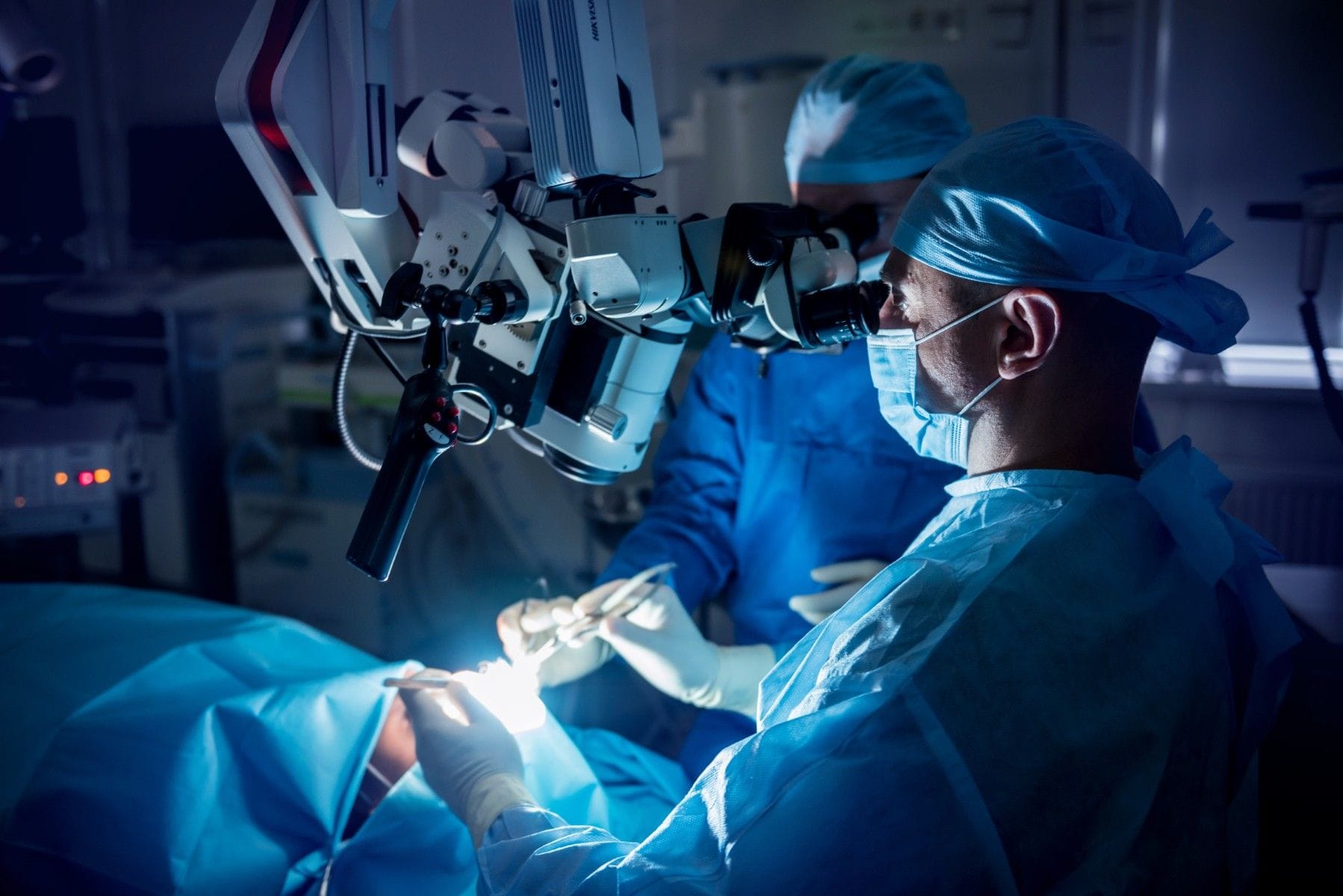
Pyleva was 79 when she underwent brain surgery at Yale New Haven Hospital. During the procedure, medical staff used an antiseptic solution containing chlorhexidine, a chemical routinely used to prepare surgical sites and reduce the risk of infection.
Pyleva alleged that the solution traveled into her right eye while she was under anesthesia. Her attorneys said the exposure severely damaged the eye and permanently destroyed her remaining functional vision.
According to the most recent complaint cited in the case, the dangers of chlorhexidine exposure to sensitive tissues have been recognized for decades.
Pyleva’s attorneys also alleged that safer alternatives were available for use during the surgery.
The consequences were especially significant because Pyleva’s left eye had lacked useful sight since childhood. Her lawyers described the resulting injury as one that “obliterated” her remaining vision and left her functionally blind.
The Allegations
Pyleva sued Yale New Haven Hospital and Yale University, alleging negligence in connection with the preparation and performance of her surgery.
Her case centered on the assertion that chlorhexidine entered her right eye and caused a chemical injury that ultimately resulted in permanent vision loss.
Yale disputed that theory.
In an August 24 pretrial filing, the defendants noted that the anesthesiologist had taped Pyleva’s eyes shut before surgery. Following the procedure, however, her right eye exhibited swelling, a clouded cornea, and conjunctival swelling.
The defense characterized the initial condition as a corneal abrasion that showed substantial improvement by the next day. Yale maintained that there was no proof that chlorhexidine-based products entered Pyleva’s eye.
Another pretrial filing stated that Pyleva later reported a foreign-body sensation and somewhat blurry vision in the affected eye.
That dispute placed causation at the center of the case. Pyleva was required to establish not only that she suffered a serious eye injury following surgery, but also that Yale’s conduct caused the permanent loss of vision.
The Trial
At trial, the parties presented competing explanations for Pyleva’s postoperative eye injury.
Her attorneys argued that the nature and progression of the injury were consistent with chemical exposure and that Yale failed to adequately protect her eye from an antiseptic known to cause serious damage upon contact with ocular tissue.
The hospital maintained that the available evidence did not establish that chlorhexidine had entered the eye at all.
For medical malpractice cases involving injuries that occur while a patient is unconscious, expert testimony can be particularly significant. Experts may be called upon to address the applicable standard of care, appropriate surgical precautions, the properties of the chemical at issue, and whether the patient’s clinical findings are consistent with the alleged exposure.
The case also illustrates the importance of causation testimony when multiple medical explanations may exist for an injury. Here, the jury ultimately accepted Pyleva’s negligence claim despite Yale’s position that the evidence did not demonstrate chlorhexidine exposure.
Pyleva had previously offered to resolve the case for $3 million in January 2023, according to court records. No settlement was reached, and the litigation proceeded to trial.
The Verdict
The New Haven Superior Court jury found Yale New Haven Hospital negligent and awarded Pyleva $15.1 million in damages.
The award was more than five times the amount of Pyleva’s earlier settlement offer.
Her daughter and conservator, Evgenia Neff, described the verdict as recognition of both the injury and its effect on Pyleva’s life.
Pyleva, now 85, moved to the United States from Siberia in 2018 to live closer to her family. Her attorneys argued that the loss of her remaining functional eyesight fundamentally changed her independence and quality of life.
Following the verdict, Yale New Haven Hospital said it respected the judicial process but disagreed with the result. The hospital also acknowledged the significant effect the matter had on Pyleva and her family.
What’s Next?
The verdict underscores the potential consequences of chemical injuries during surgical procedures, particularly when antiseptic agents are used near vulnerable tissues.
Chlorhexidine is widely used because of its effectiveness in preventing surgical-site infections. The allegations in Pyleva’s case, however, focused on the precautions required when a chemical with known ocular toxicity is used in proximity to a patient’s eyes.
For medical malpractice litigation, cases involving these injuries can require experts from several disciplines. Surgical experts may address preparation protocols and the standard of care, while ophthalmology and toxicology experts may evaluate causation, injury mechanisms, prognosis, and permanent functional loss.
The $15.1 million verdict also demonstrates how damages can increase substantially when an injury affects a patient’s remaining functional ability. For Pyleva, the jury was asked to assess not merely an injury to one eye but the consequences of losing the vision upon which she had relied for decades.
The case is Lioudmila Pyleva v. Yale New Haven Hospital et al., NNH-CV21-6115599-S, in the New Haven Judicial District of the Connecticut Superior Court.