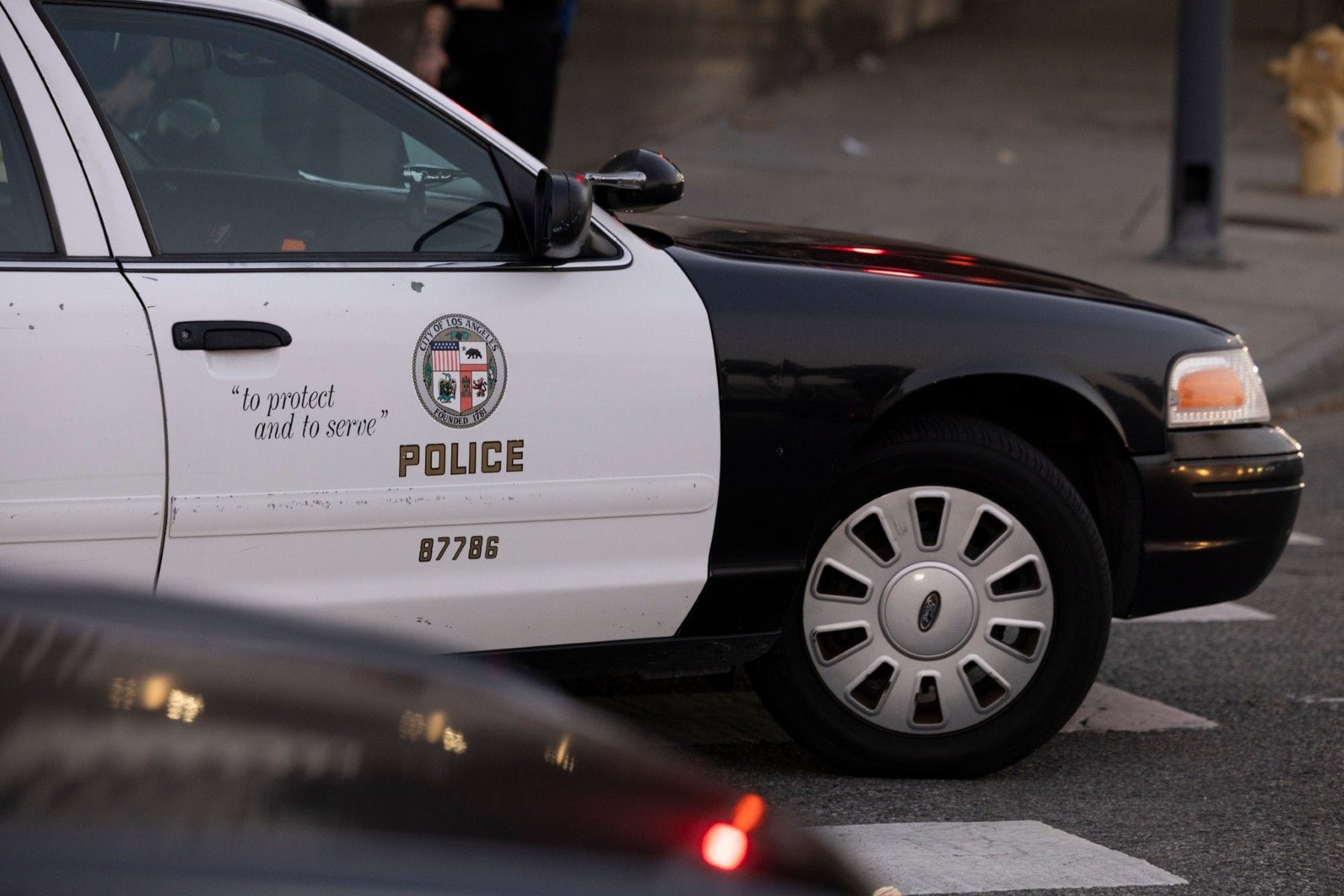
A California federal jury has awarded $11.8 million to Isaac Castellanos, a Los Angeles Dodgers fan who alleged he was struck in the eye by a Los Angeles Police Department “less lethal” projectile during a downtown celebration of the team’s 2020 World Series victory. The verdict allocates fault equally between two officers and reflects findings on both constitutional and state-law theories, including excessive force and negligence. The damages award is driven largely by future noneconomic harm and diminished earning capacity tied to permanent vision impairment. The case also underscores how juries evaluate crowd-control uses of impact munitions when plaintiffs contend they posed no threat and received no dispersal warning—an issue often informed by modern police practices and standards in civil litigation.
Jury Finds Excessive Force and Negligence
After a weeklong trial, jurors found it more likely than not that LAPD officers Cody MacArthur and Jesse Pineda used excessive or unreasonable force that caused traumatic injury to Castellanos’ right eye. The verdict form reflects findings under an excessive force theory and negligence, and also indicates the jury concluded the officers intended to deprive Castellanos of protected interests or acted with reckless disregard for his right to be free from excessive force.
The jury apportioned liability evenly, assigning 50% responsibility to each officer. That allocation is significant because it frames post-trial issues such as entry of judgment and any potential indemnity or contribution disputes, while also signaling that the factfinder credited a causal link between the crowd-control deployment of less lethal munitions and the specific injury alleged. Although the city was named as a defendant, the verdict’s core findings focus on the conduct of the two individual officers and the reasonableness of force under the circumstances presented at trial.
Damages Reflect Permanent Vision Loss and Economic Impact
The $11,812,180 compensatory award includes multiple components, with the largest sums tied to future harm. The jury awarded $7 million for future pain and suffering, emotional distress, disability, disfigurement, and loss of enjoyment of life, as well as $1 million for past noneconomic damages in those categories—areas where litigators often focus on proving pain and suffering. The verdict also includes nearly $3.7 million for loss of earning capacity and $135,749 for future medical care, categories that frequently require expert analysis to calculate or prove damages and may involve an economics expert witness.
According to the allegations tried to the jury, Castellanos suffered central vision loss and persistent mydriasis after being struck, and later learned the condition was permanent due to the trauma—an injury profile that can implicate ophthalmology experts in evaluating impairment and prognosis. The complaint further alleged that the injury affected depth perception and daily functioning, and that associated anxiety and depression interfered with education, employment, and relationships, where a psychology expert witness may be relevant to mental-health damages. The economic portion of the verdict reflects the jury’s acceptance that the impairment had durable vocational consequences, including for a plaintiff described as a college student and competitive esports participant with streaming-related pursuits at the time of the incident.
Incident Allegations Center on Crowd-Control Use of Impact Munitions
The incident dates to about 1 a.m. on Oct. 28, 2020, when Castellanos and friends were among hundreds of fans gathered near the arena formerly known as Staples Center for an impromptu celebration. In his operative complaint, Castellanos alleged the gathering was peaceful when officers approached, weapons were fired, and the crowd began to flee. While he attempted to locate friends to leave, he was struck in the right eye by a less lethal munition fired from an estimated distance of 60 to 90 feet.
Castellanos alleged that MacArthur and Pineda both fired less lethal munitions toward him and that one of those projectiles caused the injury. He further alleged he did not pose a threat and did not hear an order to disperse. Counsel for Castellanos included Pedram Esfandiary and others from Wisner Baum, according to court filings, while the city and officers were represented by counsel from Stone Busailah LLP. More broadly, the verdict illustrates how factual disputes about warnings, perceived threat, and targeting can drive liability outcomes when impact munitions are used for crowd management.