$108.6M Verdict in Philadelphia Birth Injury Trial
A Philadelphia jury found Jefferson Health and Einstein Healthcare Network liable for a 2018 delivery that allegedly caused permanent brain injury.
Published on
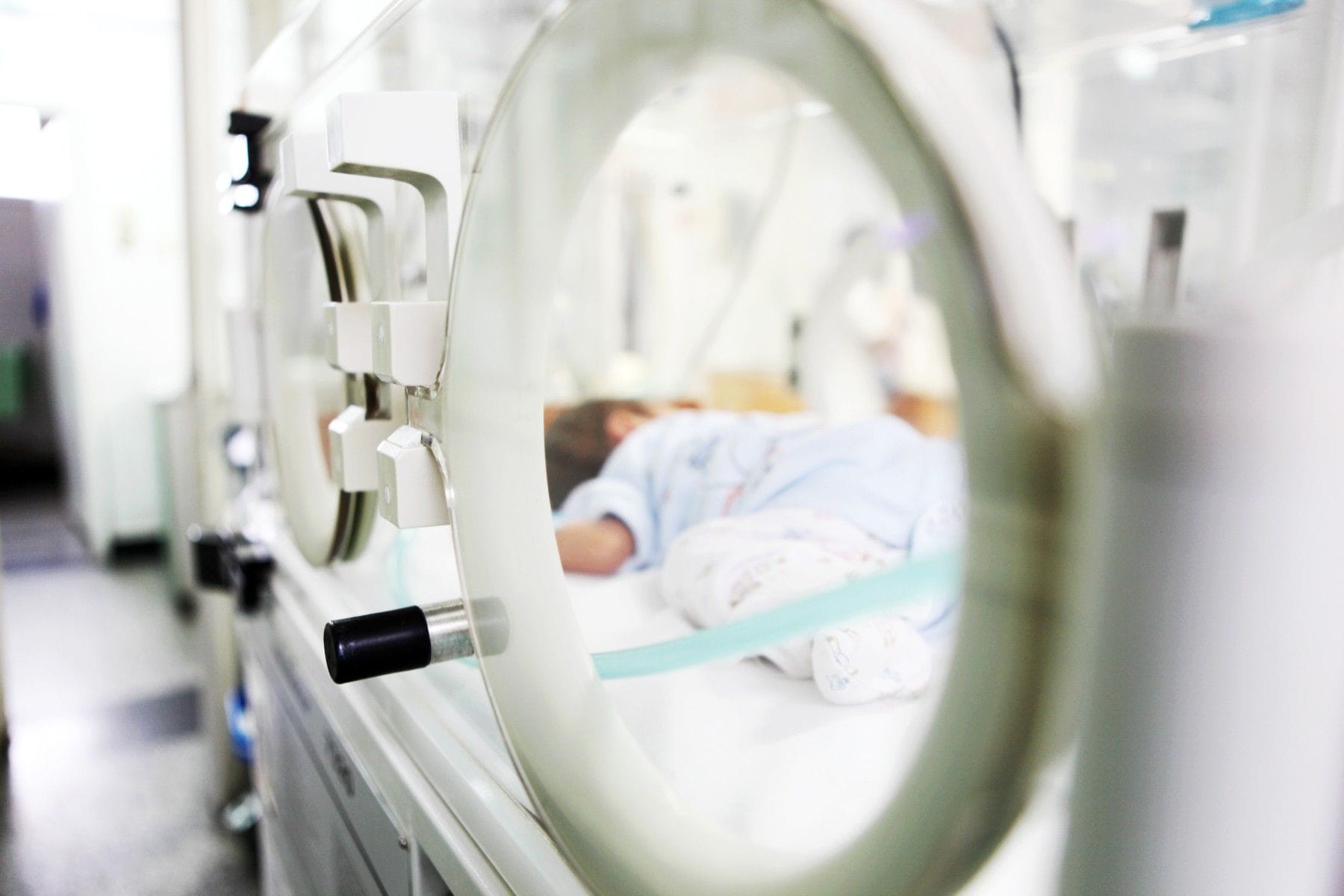
A Philadelphia County jury returned a nearly $109 million verdict against Jefferson Health and its subsidiary Einstein Healthcare Network in a medical negligence action arising from a 2018 delivery that allegedly resulted in permanent brain injury to a child identified in the pleadings as KF. The award, entered in the Court of Common Pleas, reflects a substantial allocation to projected future care costs, with additional amounts attributed to economic damages and claimed loss of future earnings potential. The dispute centers on intrapartum decision-making during an induced labor involving maternal comorbidities and suspected fetal macrosomia, and on whether the delivery team’s actions deviated from the applicable standard of obstetrical care.
Alleged Negligence During Induction and Delivery
According to the complaint, KF’s mother presented to an Einstein-affiliated hospital’s labor and delivery unit on Dec. 15, 2018, at 39 weeks’ gestation for induction of labor due to morbid obesity, gestational diabetes, and pregnancy-related hypertension. Clinicians also concluded the fetus was large for gestational age, described as macrosomia. The pleadings assert that fetal vital signs were normal prior to delivery, positioning the case around whether later delivery maneuvers created avoidable risk in a setting where fetal size and maternal factors were already recognized.
The family alleges that forceps were used to assist delivery, though the complaint contends this was not documented in the medical record. The child’s father and paternal grandmother, who were present during delivery, reportedly observed forceps use. The complaint further alleges that KF’s mother noted swelling and increasing head circumference after birth, but that no diagnostic testing was ordered to evaluate for intracranial bleeding before discharge. The central liability theory is that use of forceps on a macrosomic infant constituted a deviation from the standard of care, and that the failure to recognize and investigate post-delivery signs delayed treatment.
Post-Discharge Diagnosis and Claimed Permanent Injury
After discharge, the complaint states that a pediatrician evaluated KF and advised immediate testing, which revealed brain hemorrhaging. KF then underwent emergency surgery to drain blood and fluid from the cranium. The lawsuit attributes the need for urgent neurosurgical intervention to delivery-related trauma and to an alleged failure to act on signs that could have prompted earlier evaluation. The family alleges the hemorrhaging caused permanent neurological damage, framing damages around long-term neurocognitive impairment and ongoing medical needs.
The suit, filed in July 2024, asserted causes of action including negligence, respondeat superior, vicarious liability, and ostensible agency. Those theories reflect a common structure in hospital-based birth injury litigation, where plaintiffs seek to connect alleged clinical departures by individual providers to institutional responsibility through agency and employment principles. The plaintiffs are represented by Gilman & Bedigian LLC, according to court filings. Jefferson Health, through a spokesperson, disputed the verdict and the plaintiffs’ characterization of the evidence, signaling a continued disagreement over causation and the standard-of-care analysis presented at trial.
The Verdict and Damages Allocation
The jury entered a verdict totaling $108.6 million in Judge Caroline Turner’s courtroom in the Philadelphia County Court of Common Pleas. The award’s largest component was designated for future care costs, with additional sums for past and future economic damages and for lost earning potential. In cases alleging lifelong neurological impairment, future-care projections often drive the total figure because they incorporate anticipated medical treatment, attendant care, and supportive services across decades, all of which can be influenced by assumptions about life expectancy, functional limitations, and inflation-adjusted cost growth.
The size of the award underscores the degree to which the jury credited the plaintiffs’ damages model and the asserted link between the delivery event and the child’s current and expected needs. Plaintiffs’ counsel characterized the verdict as enabling compensation for long-term neurocognitive and medical care, while the defense maintained that the result did not align with the medical evidence. Post-trial activity may focus on challenges to the sufficiency of evidence on liability and causation, as well as to the admissibility and methodology supporting future-care and lost-earnings calculations. More broadly, the outcome highlights the financial exposure associated with labor-and-delivery risk management when documentation and postnatal evaluation decisions are disputed.