Water Line Repair Leads to Structural Damage on Elevated Property
Homeowner investigates water accumulation affecting property integrity, seeking expert opinion on potential municipal water line responsibility after repairs.
Published on
Case Overview
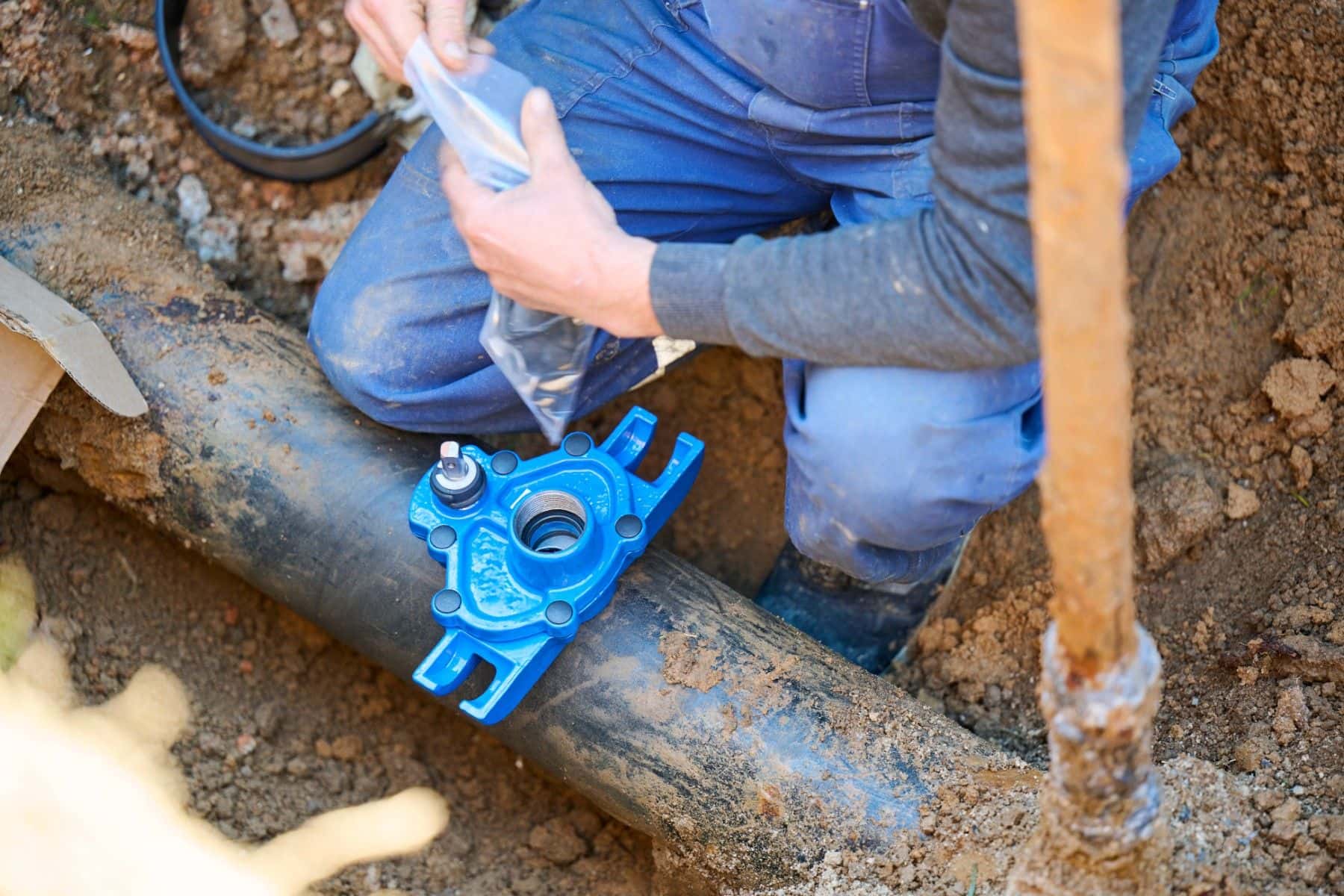
This case involves a residential property situated on a hillside in a jurisdiction similar to St. Charles County. The homeowner observed significant water accumulation in the front yard and beneath the garage, raising concerns about the structural integrity of the home. This issue continued until repairs were made to a municipal water line located down the street. Following the completion of these repairs, the water accumulation on the property ceased, leading to allegations that the county's water line was responsible for the water damage experienced.
The homeowner is seeking expert insight from a hydrology specialist to evaluate the situation, conduct a property inspection, and provide an informed opinion on the source of the water issues affecting the property.
Questions to the Environmental Engineering expert and their responses
Briefly, what may cause excess water build up on a property located on top of a hill?
This is an interesting case. For water from the main water line to move to a higher elevation, it must be under pressure. So the specific details of the site are key facts. The cessation of flooding concurrent with the completion of water line repairs is a necessary but not sufficient fact to prove causation.
Please describe your experience in hydrology.
I am a member of the American Institute of Hydrology and have completed coursework in hydrology and water supply engineering. I also hold a Ph.D. in hydraulic engineering. I have consulted on several cases that involve flooding or erosion on residential properties.
About the expert
This expert has over 40 years of experience in water resources and environmental engineering and is a leading authority on stream and river restoration. He earned his BS in mathematics at Harding University, his MS in environmental and water resources engineering at Vanderbilt University, and his PhD in hydraulics from Colorado State University. He is a certified professional hydrologist, a registered professional engineer, and a member of the American Society of Civil Engineers, the Environmental And Water Resources Institute, and the American Academy of Water Resource Engineers. His research focuses on the response of fluvial systems to human influences and the development of environmental design criteria for all types of channel stabilization and modification projects, including streambank erosion controls and management of riverine backwater. He has authored or co-authored more than 300 technical publications and has completed consulting projects dealing with stream restoration, erosion protection of riparian cultural resources sites, streambank erosion, geomorphic assessment, and local flooding. Formerly, this expert served as a hydraulic engineer and research civil engineer at the US Army Corps of Engineers and as a research hydraulic engineer at the US Department of Agriculture. Currently, he serves as an adjunct professor of civil engineering at a major research university in Mississippi, as the principal and hydraulic engineer at a hydraulic engineering consultancy, and as a hydraulic engineer at a California engineering firm.

E-102078
Specialties:
Subscribe to our newsletter
Join our newsletter to stay up to date on legal news, insights and product updates from Expert Institute.
Sign up nowFind an expert witness near you
What State is your case in?


Subscribe to our newsletter
Join our newsletter to stay up to date on legal news, insights and product updates from Expert Institute.