Lack of Direct Observation Leads to Questionable Mental Health Evaluation
Officers transported an individual for a mental health evaluation based on complaints, raising questions about probable cause and direct observation.
Published on
Case Overview
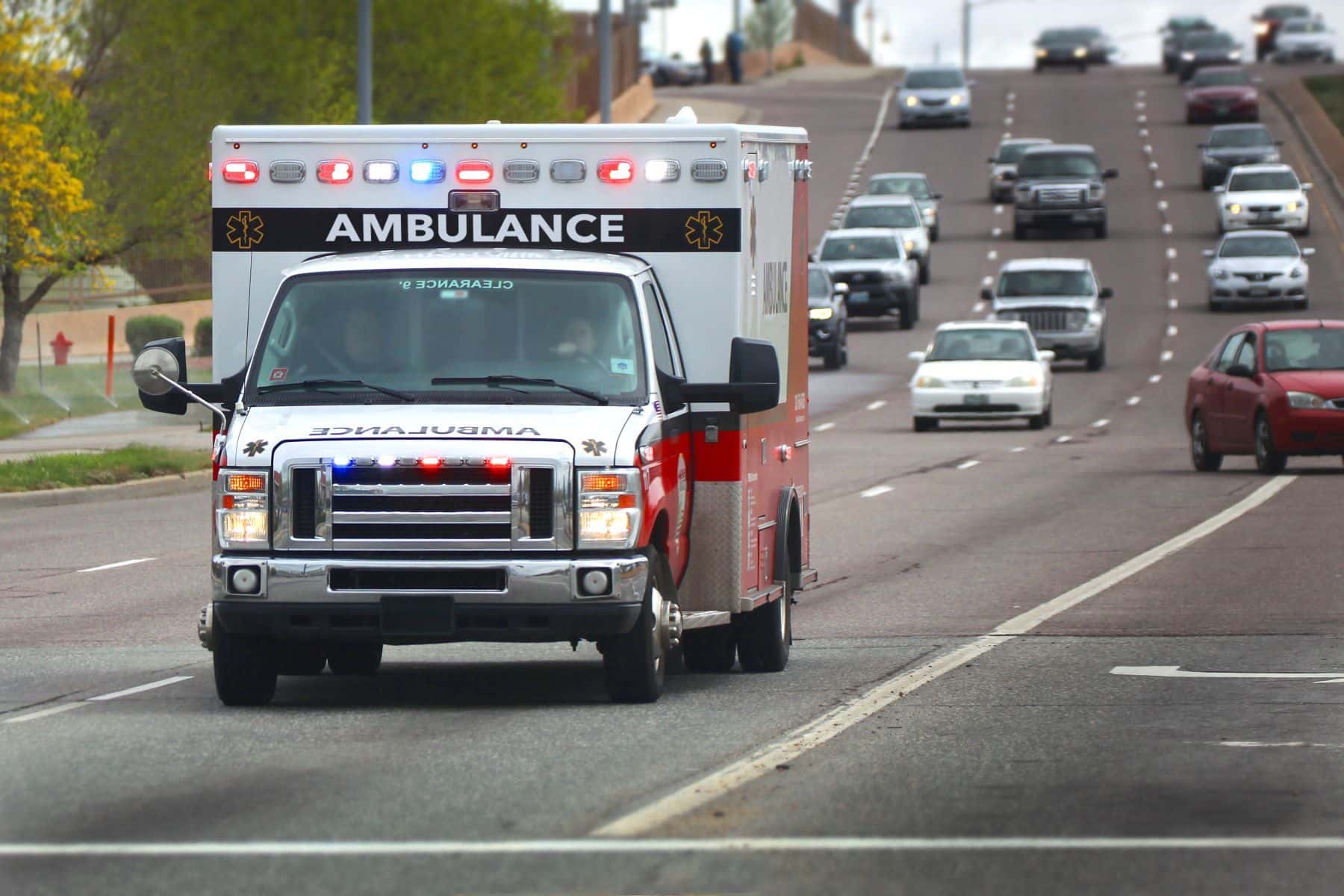
This case involves an individual who was transported to a hospital for a mental health evaluation by law enforcement officers. Officers claimed that the individual posed a danger to themselves or others based on several complaints gathered throughout the day. However, it is alleged that the officers did not witness any concerning behaviors when they arrived at the individual’s home, and that the complaints originated from a neighbor. This situation raises critical questions about whether the officers had probable cause to admit the individual for a mental health evaluation, especially given the necessity for direct observation in such scenarios.
Questions to the Law Enforcement expert and their responses
Please describe your professional background in law enforcement, specifically as it pertains to law enforcement policies in the state of New Jersey, if applicable.
I am a former NYPD Lieutenant; however, I have represented numerous plaintiffs in connection with claims against the police in New Jersey. As a former NYPD Lieutenant, I’ve responded to and directed on many occasions the removal and hospital admission of individuals that pose a danger to themselves or others. Additionally, I was a sergeant in the NYPD police academy, where I trained recruits on the provisions necessary to take persons into custody for mental health reasons. I'm currently a college professor and routinely teach undergraduate students the tenants necessary to remove individuals against their will for mental health reasons.
Briefly, please describe the criteria that are considered when determining whether an individual should be admitted for mental health evaluation.
Traditionally, police officers must make an observation directly before taking a person into custody for admission to a mental health facility against their will. Policies require an officer to articulate the danger imposed to both the public and individual if they are not committed. Most circumstances involving the commitment of an individual against their will require a supervisor's approval. An officer must be able to articulate based on a personal observation that the individual in question poses a significant danger to themselves or others based on mental health issues. The problem police often incur in cases of this nature is officers are not trained to accurately conclude that a person is of unsound mind and poses a significant danger to themselves or others. Additionally, the component of significance is subjective; therefore, police should have a mental health expert draw this conclusion in the field because they are better suited to make this assessment.
About the expert
This expert has over 30 years of experience in the field of criminal justice and law enforcement procedures. He is recognized by the United Nations Associated Press as an expert in police tactics, procedures, and investigations. He earned his BS in organizational management from St Joseph's College, followed by his MPA from Marist College and his EdD from Fordham University. This expert previously served at the New York City Police Department for 20 years as a police officer on the civilian complaint review board, as a detective in the internal affairs bureau, as a sergeant and instructor in the police academy, as a lieutenant in the department of personnel, as an investigative supervisor in the internal affairs bureau, and as a police supervisor and community relations and integrity control officer in the community affairs bureau. Following his retirement from the New York City Police Department, this expert worked as an adjunct professor of criminal justice at Fairleigh Dickinson University. Currently, he serves as an adjunct professor of criminal justice at two universities and as a founding partner at a public safety and policing consultancy in New York.

E-071642
Specialties:
Subscribe to our newsletter
Join our newsletter to stay up to date on legal news, insights and product updates from Expert Institute.
Sign up nowFind an expert witness near you
What State is your case in?


Subscribe to our newsletter
Join our newsletter to stay up to date on legal news, insights and product updates from Expert Institute.