Exposure to Contaminated Medical Device Leads to Fatal Infection
A tragic infection from a contaminated medical device raises critical questions about safety standards and manufacturer responsibilities in healthcare.
Published on
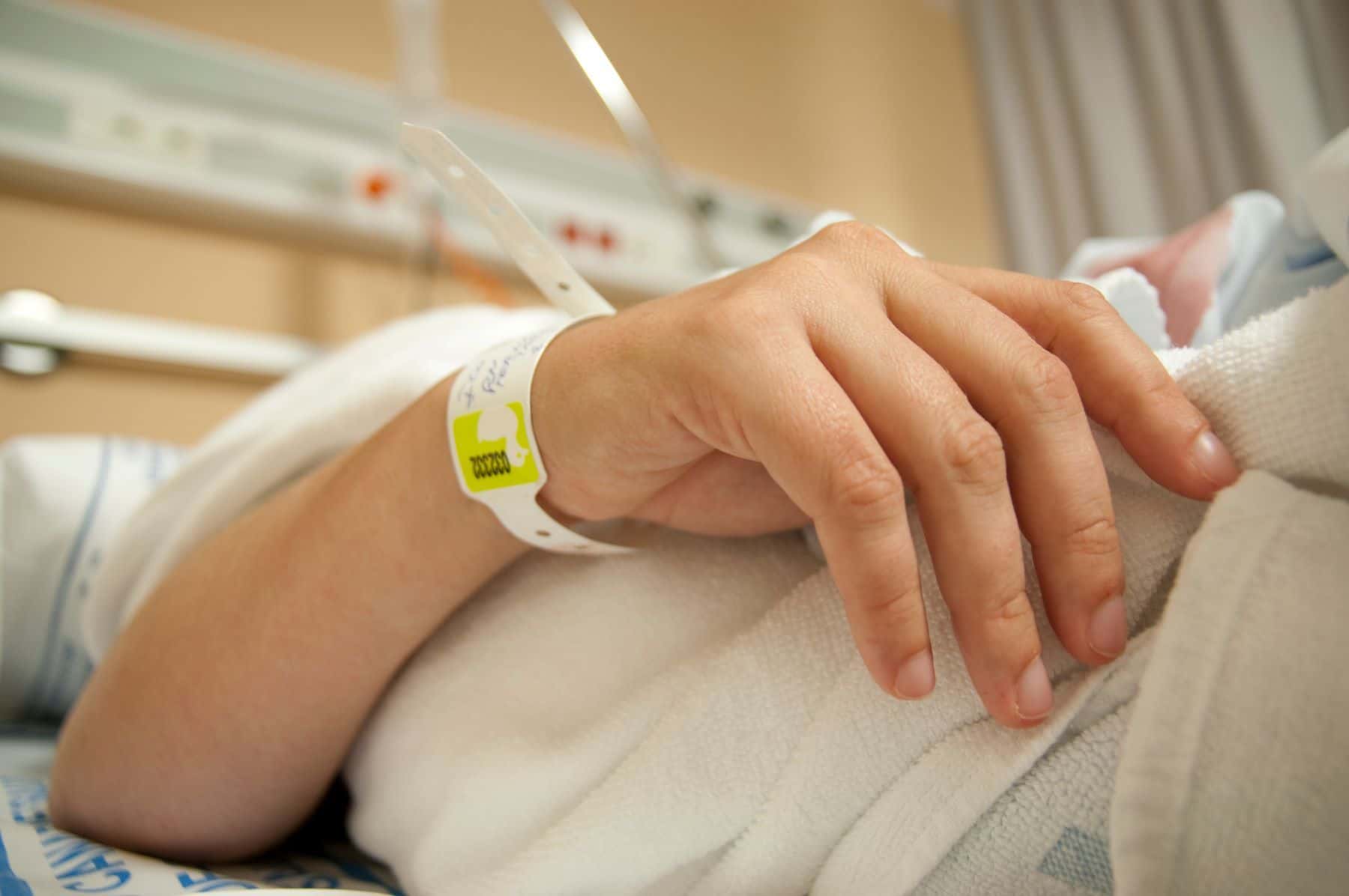
Case Overview
This case revolves around an individual who tragically passed away after being exposed to non-tuberculous mycobacterium (NTM) from a medical device used during open-heart surgery. The device in question, designed for temperature regulation, features a reservoir that circulates cold and hot water through tubes connected to a pad, warming the patient before cardiac activity resumes. Unfortunately, during the manufacturer's testing, the device was contaminated with NTM, resulting in the formation of a biofilm within the machine. This biofilm led to the aerosolization of contaminated water, subsequently circulating into the surgical environment and directly into the patient’s open chest cavity. Following the incident, the manufacturer issued recommendations for hospitals to implement various cleaning methods, including the use of hydrogen peroxide, to eliminate the bacteria. However, these methods were ineffective, and the involvement of the FDA raised further concerns regarding the device's safety. The case seeks to establish the standards of care expected from manufacturers and hospitals in preventing such catastrophic infections.
Questions to the Biomedical Engineering expert and their responses
How familiar are you with the medical device known as The Stockert 3T Systems water circulating device used to regulate temperature during cardiac surgery?
I have over 20 years of experience in the field of biomedical engineering. Additionally, I recently became a fellow of the American Heart Association for my work with heart surgery and devices. I have deep experience with this particular device. In my previous appointment in Denmark, I was the Director of Research for the Scandinavian School of Extracorporal Technology, which educates perfusionists for all of Europe and beyond in advanced techniques.
What are common ways to sterilize a medical device to ensure a biofilm has been irradiated?
Methods and standard (or lack thereof) of cleaning and keeping biofilm from developing inside these devices varies throughout the multiple different options available, and I have analyzed most of them and compared them with the Stockert device for their propensity to develop problems with biofilm and infections.
About the expert
This expert has over 20 years of experience in the field of biomedical engineering. He earned his BS from the Engineering College of Aarhus in Denmark and his MS in biomedical engineering from the Georgia Institute of Technology. He returned to Denmark to obtain his PhD in medicine and his MD from the University of Aarhus. Today, he is active in his field as a member of several professional societies, such as the Institute of Electrical and Electronics Engineers, and is the holder of 9 patents. He is also a reviewer for numerous journals, has lectured both nationally and internationally, and has been published in journals, books, and magazines. This expert previously served as a professor and as the director of biomedical research for the Scandinavian School of Cardiovascular Technology, as well as a research faculty member in biomedical engineering for the Georgia Institute of Technology. Most recently, he served as chief technology officer for Vivas LLC, a medical technology company. Currently, he serves as an associate professor of biomedical engineering and as an associate professor of cardiothoracic surgery at a university in Arkansas.

E-065526
Specialties:
Subscribe to our newsletter
Join our newsletter to stay up to date on legal news, insights and product updates from Expert Institute.
Sign up nowFind an expert witness near you
What State is your case in?


Subscribe to our newsletter
Join our newsletter to stay up to date on legal news, insights and product updates from Expert Institute.